


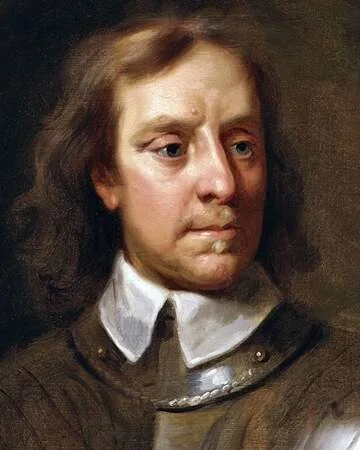
The Dramatic Dissolution of the Rump Parliament
On April 20, 1653, Oliver Cromwell, a key figure in English history and military leader, took decisive action against the Rump Parliament. This dramatic event marked a significant turning point in the English Commonwealth era. Cromwell led a small group of approximately 40 musketeers to forcibly dissolve the Parliament, which was struggling to function effectively. Frustrated with the Rump’s inability to establish a caretaker government and feeling their decisions were failing the country, Cromwell famously declared, "You have sat too long for any good you have been doing lately... In the name of God, go!"
Oliver Cromwell's Role
Oliver Cromwell, born in 1599 in Huntingdon, had risen to prominence during the English Civil War, where his military prowess and leadership made him a key player in the conflict. By 1653, as a Member of Parliament and a leading general in the New Model Army, Cromwell's influence had grown considerably. His disillusionment with the Rump Parliament stemmed from their failure to deliver effective governance, which he believed was crucial for the nation’s future.
The Context of Dissolution
The Rump Parliament, composed of remnants of the Long Parliament after the exclusion of Royalist members, had become increasingly ineffective. Its inability to establish a stable government amidst growing economic and social turmoil led to widespread dissatisfaction. Cromwell's actions were fueled by this discontent and a desire to restore order in England.
Aftermath of the Dissolution
Cromwell's bold move to dissolve the Rump Parliament initiated a series of significant developments in the nation's governance. Following the dissolution, Cromwell would go on to establish a more authoritarian regime, eventually becoming Lord Protector of England in December 1653. This period saw profound changes in the political landscape of England, propelling the nation towards its eventual Restoration in 1660.
The Rise of the Protectorate
After declaring himself Lord Protector, Cromwell implemented policies that reflected his Puritan ideals, shaping the Commonwealth and the affairs of the state. However, his rule was marked by conflict and resistance, as many viewed his governance as a deviation from true Parliamentary democracy.
The Legacy of Cromwell's Actions
The dissolution of the Rump Parliament by Cromwell is often regarded as a pivotal moment in the debate over the powers of Parliament versus the will of individual leaders. It set a precedent for future tensions in British politics and raised fundamental questions about governance and authority that resonate even today.
Fun Fact
Interesting Fact about Oliver Cromwell
Oliver Cromwell is often portrayed as a complex figure; while some view him as a champion of liberty, others see him as a dictator. His strict enforcement of Puritan morals and disdain for traditional celebrations lead to the temporary ban on Christmas during his rule.
Additional Resources
Recommended Reading on Oliver Cromwell
For those interested in exploring more about this fascinating historical figure, consider reading "Cromwell: Our Chief of Men" by Antony Beevor, which provides deep insights into his life and politics, and "The Trial of Charles I" by G. A. Jones, which gives a thorough account of the events leading up to Cromwell's rise.






 Continue with Google