


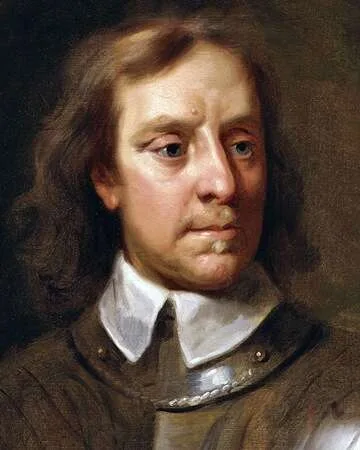
Oliver Cromwell: The Rise and Fall of a Revolutionary Leader
Oliver Cromwell, born in 1599 in Huntingdon, England, emerged as a significant military and political leader during the tumultuous period of the English Civil War. His leadership in the New Model Army was instrumental in the defeat of King Charles I, leading to the establishment of the Commonwealth of England. Cromwell's tenure as Lord Protector saw his attempts to promote Puritan values and republicanism, but struggles with governance and opposition marked his rule.
Understanding Cromwell's Contributions to England
Cromwell’s military prowess and political influence reshaped the landscape of England. His strong Puritan faith guided his actions, emphasizing morality and piety, which vastly impacted the governance of the nation. Under his rule, he sought to enforce strict religious observance and lead England toward a new societal order, albeit to mixed results.
The Final Years of Oliver Cromwell
The period from 1653 to 1658, during which Cromwell served as Lord Protector, was marked by attempts to stabilize the country, yet it was also fraught with challenges—from internal dissent to external threats. His death on September 3, 1658, at the age of 59, left England in uncertainty regarding its future direction.
The Death of Oliver Cromwell: Impact and Legacy
Oliver Cromwell's death was a significant turning point in English history that inevitably led to the restoration of the monarchy. His absence created a power vacuum, setting the stage for a return to royal rule in 1660 and raising questions about the viability of a republic in England.
The Circumstances Surrounding Cromwell's Death
Cromwell's health had been in decline for some time before his death. On the evening of September 3, he suffered from severe symptoms, ultimately succumbing to what many historians believe was either a form of fever or renal failure. His death shocked the nation and marked the end of an era of Puritan governance.
The Aftermath of Cromwell’s Demise
After Cromwell’s death, his body was subjected to posthumous execution in a symbolic act of defiance by Royalists. This act underlined the deep divisions within English society and raised questions about the legitimacy of his rule as removed from the monarchy.
Fun Fact
Interesting Fact About Oliver Cromwell
After his death, Cromwell's body was disinterred and publicly displayed. His head was famously stuck on a pole outside Westminster Hall, a grim reminder of the contentious nature of his political legacy.
Additional Resources
Recommended Reading on Oliver Cromwell
For those interested in exploring more about Oliver Cromwell, "Cromwell: Our Chief of Men" by Antonia Fraser provides a detailed biography of his life and legacy. Additionally, "The Trial of Charles I" by Richard Rex offers insights into the events surrounding the English Civil War and Cromwell's pivotal role.









 Continue with Google