


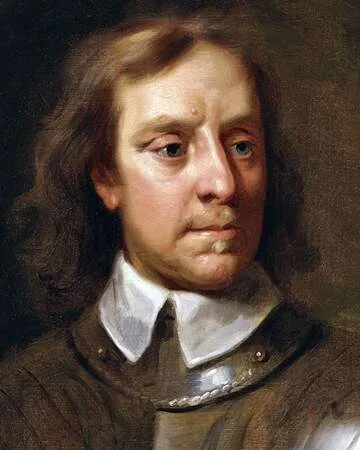
Discovering Oliver Cromwell's Legacy
Oliver Cromwell was born in Huntingdon, Huntingdonshire, England in 1599. He rose to prominence during one of the most turbulent times in English history—the English Civil War. A formidable general and a representative of the Puritan movement, Cromwell passionately advocated for the rights of Parliament against King Charles I. His leadership skills and military prowess led the Parliamentarian forces to victory, forever altering the landscape of English governance.
In 1653, Cromwell was appointed as the Lord Protector of England, a title that marked his ascendancy to power following the execution of Charles I in 1649. As Lord Protector, Cromwell established a Commonwealth, attempting to govern England without a king. His tenure was characterized by strict Puritan morals, impactful reforms in military and civil affairs, and a complex relationship with both Parliament and the British monarchy.
The Rise to Power of Oliver Cromwell
In the early stages of the English Civil War, Cromwell demonstrated his military skill at pivotal battles such as the Battle of Marston Moor in 1644. He founded the New Model Army, ensuring strong discipline and effectiveness. Cromwell was influential in the trial and execution of Charles I in 1649, an act that solidified his role as a revolutionary leader. His commitment to the Parliament's cause earned him both respect and contention among his contemporaries.
Cromwell's Policies as Lord Protector
As Lord Protector, Cromwell implemented significant political and social reforms aimed at promoting religious freedom, and he sought to unite England, Scotland, and Ireland. His rule attempted to foster stability and order through strict governance. Yet, Cromwell faced opposition from royalists and other factions, resulting in a tumultuous rule that was marked by both achievements and challenges.
The End of Cromwell’s Era
Oliver Cromwell's leadership lasted until his death in 1658. His passing marked the decline of the Commonwealth as political factions struggled for power following his demise. The context of his reign and the legacy he left would lead to the eventual restoration of the monarchy in 1660, demonstrating the oscillating nature of political power in England.
The Death of Oliver Cromwell
Cromwell died on September 3, 1658, possibly due to natural causes, although the exact reason remains a subject of speculation. His death initiated a period of instability that would eventually pave the way for the return of Charles II, trying to navigate the complex landscape left behind by Cromwell.
Reflections on Cromwell's Impact
Despite the controversies surrounding his rule, Cromwell's impact on English history is undeniable. His policies and military actions laid the groundwork for modern parliamentary democracy, and he remains a polarizing figure of historical debate. Was he a hero of freedom, or a tyrant in disguise? The discourse continues to engage scholars and the public alike.
Fun Fact
Oliver Cromwell's Interesting Legacy
An interesting fact about Oliver Cromwell is that after his death, his body was exhumed and posthumously executed by royalists, symbolizing the contempt other factions held against him. His head was displayed on a pike outside Westminster Hall, a sign of the turbulent times and the enduring legacy of his rule.
Additional Resources
Recommended Reading on Oliver Cromwell
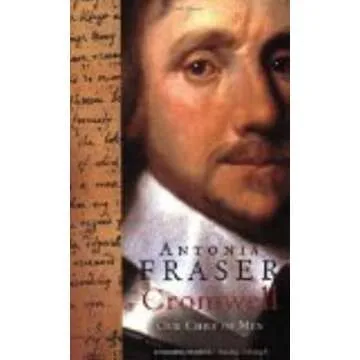
For those interested in exploring more about Oliver Cromwell's life and legacy, consider reading "Cromwell: Our Chief of Men" by Antonia Fraser or "Oliver Cromwell: A Biography" by Christopher Hill. These works provide deeper insights into his complex character and significant historical impact.







 Continue with Google