


The Moment of Discovery: Fabricius and Mira
In the year 1596, the German astronomer and priest David Fabricius made a groundbreaking observation that would change the field of astronomy forever. He discovered the light variation of Mira, known to be the first variable star identified by humans. This discovery was pivotal as it introduced the concept of stars that change brightness, challenging previous notions of the eternal and unchanging nature of celestial bodies.
David Fabricius and His Background
David Fabricius was born in 1564 in the small town of Demmin, Germany. He was not only a clergyman but also an avid observer of the stars. His dedication to astronomy led him to meticulously record celestial movements. His initial interest in the stars soon transformed into a passion that would lead him to a monumental finding in astronomy.
The Significance of the Discovery
The discovery of Mira's variability marked the beginning of what would later become a rich field of study in variable stars. Mira, with its alternating patterns of light and dimness, was unlike anything ever noted by previous astronomers. This significant variation in brightness allowed astronomers to understand more about the life cycles of stars.
Impact on Astronomy and Further Research
Fabricius’s observation of Mira paved the way for future astronomers to explore the complexities of stellar phenomena. His meticulous records and observations were crucial in the acceptance of variable stars within the scientific community.
After Effects of the Discovery
Following Fabricius’s groundbreaking work, subsequent astronomers, such as John Goodricke and William Herschel, were inspired to delve deeper into the realms of variable stars. Goodricke, in particular, provided explanations and classifications for these stars that aligned closely with Fabricius’s earlier findings.
Modern Relevance of Mira
Today, Mira continues to fascinate astronomers and astronomy enthusiasts alike. It holds special significance as it symbolizes the progress of astronomical inquiry stemming from the early days of observation. The ongoing studies of variable stars like Mira contribute to a greater understanding of stellar evolution and the life cycles of stars.
Fun Fact
Did You Know About Mira?
Mira's name actually means "wonderful" in Latin, which perfectly encapsulates the awe that the star inspired in ancient observers and continues to inspire in modern astronomers!
Additional Resources
Recommended Reading on David Fabricius
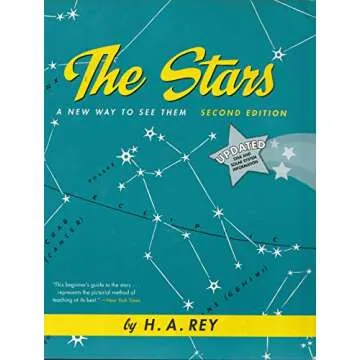
For those interested in exploring more about David Fabricius and his contributions to astronomy, consider reading The History of Astronomy by chris impey or Nightwatch: A Practical Guide to Viewing the Universe by Tom Bihag.









 Continue with Google