


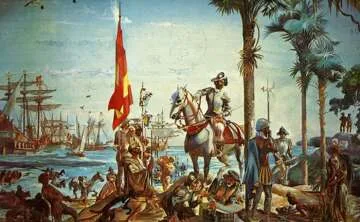
The Arrival of Hernando de Soto in Florida
On May 30, 1539, the Spanish explorer Hernando de Soto and his ambitious expedition made a significant landing on the shores of Florida. This event marked the beginning of a journey that would lead the expedition through the southeastern United States, aiming to find glory, wealth, and a passage to riches.
De Soto’s fleet consisted of ten ships and around 700 men, all motivated by the promise of gold and the desire to explore uncharted territories. The landing in Florida was not merely a geographical mark; it represented the start of a chapter filled with exploration, encounters with Indigenous tribes, and the harsh realities of colonization.
The Journey Begins with Hernando de Soto
Hernando de Soto was an experienced explorer, having previously participated in the conquest of Peru. His knowledge and skills were crucial as he led his men ashore into a new land filled with challenges. The arrival in Florida was part of a much larger expedition that aimed to traverse through North America, seeking the rumored treasures.
Challenges Ahead for the Expedition
Despite their hopes, the expedition faced numerous challenges starting from the very first moment they landed. The men were met with obstacles such as harsh weather conditions, difficult terrain, and resistance from the local Indigenous tribes. These confrontations were pivotal in shaping the course of de Soto’s expedition through the unforgiving lands of what is now the Southeastern United States.
The Impact of De Soto's Expedition
While the expedition did not yield the wealth de Soto sought, it had profound effects on the region. The encounters between the Spanish and Indigenous tribes led to significant cultural exchanges, often with devastating consequences for the latter. The introduction of European diseases and the expansion of Spanish influence played a crucial role in the future of the Americas.
Cultural Interactions During De Soto's Journey
The expedition was characterized by varied interactions with Native Americans, ranging from alliances to hostile engagements. Hernando de Soto's approach often aimed at establishing control over the land and its inhabitants, leading to conflicts that would change the dynamics of the region.
The Long-Term Consequences of De Soto's Expedition
Although de Soto did not discover gold as anticipated, his expedition significantly mapped the southeastern part of North America and opened paths for future explorations. It laid the groundwork for the later establishment of Spanish missions and settlements, impacting the historical landscape of the territory.
Fun Fact
Hernando de Soto's Interesting Legacy
Hernando de Soto was the first European to cross the Mississippi River, an event that would later be regarded as a significant milestone in exploration.
Additional Resources
Recommended Reading on Hernando de Soto
For those interested in learning more about Hernando de Soto and his adventures, consider reading "The De Soto Chronicles" by Hugh Thomas and "Hernando de Soto: A Savage Quest in the Americas" by David Ewing Duncan. These works provide detailed insights into the challenges and experiences of de Soto's expedition.









 Continue with Google