


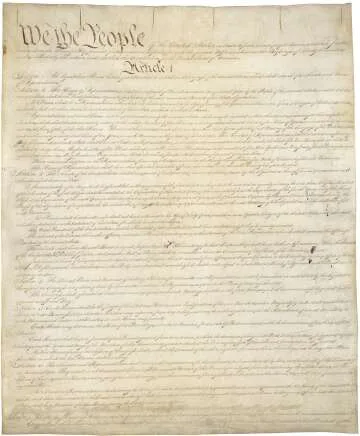
The Historic Ratification of the US Constitution
Delaware's Pioneering Role
On December 7, 1787, Delaware became the first state in the United States to ratify the Constitution, earning it the moniker "The First State." This significant event took place during a convention held in the state, where delegates met to discuss the proposed framework of government.
The Importance of Ratification
The ratification by Delaware was crucial because it set a precedent for the other states to follow. At this point in history, the United States was struggling with a weak Articles of Confederation and there was a pressing need for a stronger national government. Delaware's swift approval was instrumental in encouraging other states to consider ratifying the new Constitution.
The Context of the Constitution's Creation
Historical Background of the Constitution
The Philadelphia Convention of 1787 led to the drafting of the U.S. Constitution, marking a pivotal shift in America's governance. Delegates from various states came together to modify the existing framework, ultimately opting for a new system designed to balance power between the federal government and the states.
Delaware's Delegates and Their Influence
Delaware's ratification convention was attended by influential figures such as George Read and Gunning Bedford Jr., who championed the Constitution's merits. Their advocacy not only highlighted the benefits of a strong federal government but also aimed to persuade fellow delegates from neighboring states to follow suit.
Fun Fact
Delaware's Nickname: The First State
After its historic ratification, Delaware proudly adopted the nickname "The First State." This title not only commemorates its rapid acceptance of the Constitution but also reflects its significant role in the foundation of the United States.
Additional Resources
Recommended Reading on Delaware's Role in American History
For those interested in diving deeper into Delaware's history and its role in the Constitution, consider reading The First State: Delaware's Role in the Nation's Founding for an in-depth analysis of its pivotal moments.











 Continue with Google