



The Ascension of Diocletian
Diocletian: The General Turned Emperor
In the year 284 AD, a significant turning point in Roman history occurred when the Roman general Diocletian was proclaimed Emperor. This event followed the death of Emperor Carinus at the Battle of the Margus. With his military acumen and leadership skills, Diocletian set the stage for a transformative era in the Roman Empire, addressing its internal instability and external threats.
The Circumstances Leading to Proclamation
Diocletian's rise can be traced back to the turmoil following the assassination of Emperor Carinus. His elevation to Emperor was a response to the chaos within the empire as various factions vied for power. The eastern and western armies united to support Diocletian, recognizing his capabilities to lead effectively and restore order to a fragmented empire.
Diocletian's Reforms and Legacy
Transformational Leadership of Diocletian
Once in power, Diocletian implemented extensive reforms that profoundly impacted the Roman Empire. He reorganized the structure of the empire to enhance administrative efficiency. This included the establishment of the Tetrarchy system, dividing the empire into regions governed by co-emperors, which helped stabilize the vast territories under Roman rule.
Diocletian's Influence on the Empire
Beyond administrative reforms, Diocletian is remembered for his economic policies and military reforms, strengthening the empire's defenses against external invasions. His reign laid a foundation that would shape future emperors' approaches and governance strategies over the following centuries, marking him as a pivotal figure in Roman history.
Fun Fact
Diocletian’s Edict on Maximum Prices
An interesting aspect of Diocletian's rule was the Edict on Maximum Prices, implemented to curb inflation. This historical document attempted to fix prices on various goods and services throughout the empire, showcasing his proactive approach to economic stability amidst growing crises.
Additional Resources
Recommended Reading on Diocletian
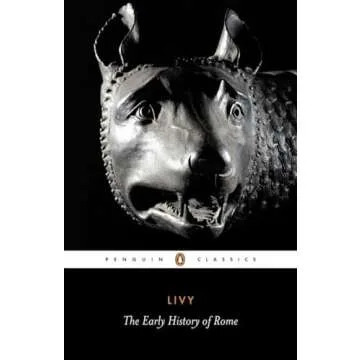
For those interested in delving deeper into the life and impact of Diocletian, consider reading "The History of Rome" by Titus Livius and "Diocletian and the Roman Recovery" by Alberto De Santi. Both texts offer insightful perspectives on this transformative emperor and the era he governed.



 Continue with Google