


The Rise of Peronism in Argentina
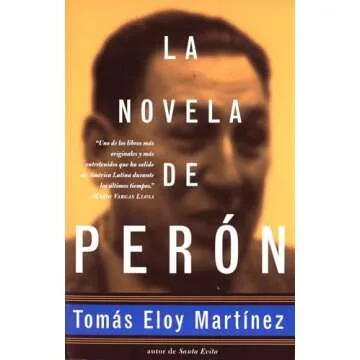
Juan Domingo Perón: The Face of Peronism
Juan Domingo Perón, born in 1895 in Lobos, Argentina, emerged as a significant political figure in the early to mid-20th century. After his presidency began in 1946, he advocated for policies that favored labor rights and social justice. His charismatic leadership and nationalistic approach cultivated a dedicated following, known as Peronists, who rallied for his populist ideals.
Peronism's Political Ideology
The Peronistic party was rooted in ideals promoting the welfare of the working class, economic independence, and a strong centralized government. Under Perón’s leadership, it became a formidable force in Argentine politics, shifting the balance from elite interests to those of ordinary citizens. This shift was particularly significant for workers, who saw improved labor rights.
The 1955 Coup and Disbandment of the Peronistic Party
The Military's Rise to Power
In 1955, a military coup, known as the Revolución Libertadora, successfully overthrew Juan Domingo Perón's government. The coup was fueled by public discontent due to economic instability and increasing authoritarianism. After the coup, the military regime sought to dismantle Peronism, viewing it as a threat to their desired political landscape.
Official Disbandment of the Peronistic Party
The disbandment of the Peronistic party marked a significant turning point in Argentine history. In the wake of the coup, the new military government outlawed Peronism, forcing party members underground and inhibiting their political participation. This disbandment aimed to eradicate Peronism’s influence while promoting restoration of traditional values and aligning with more conservative interests in Argentine society.
Aftermath and Legacy of the Disbandment
The Impact on Argentine Politics
The disbandment of the Peronistic party did not eliminate the movement; instead, it pushed it into opposition and underground networks. Over the next decades, Peronist sentiments persisted and even grew, leading to Perón’s eventual return to power in 1973. The attempt to suppress this vital political ideology would prove to be a challenging endeavor for successive governments.
Historical Repercussions
This event paved the way for decades of political instability in Argentina, leading to further military coups and recurring conflicts. The struggle between Peronists and anti-Peronists would shape not only political discourse but also societal norms, deeply embedding Peronism into the Argentine identity.
Fun Fact
Perón's Lasting Influence
Despite being exiled after the 1955 coup, Juan Domingo Perón remains a legendary figure in Argentina. His marriage to Eva Perón, an iconic advocate for women's rights, helped solidify his legacy beyond just his political actions.
Additional Resources
Recommended Reading on Perón and Peronism
For those interested in diving deeper into this subject, consider reading The Peronist Movement: A Return to the Future by Ruth E. García and Perón: A Biography by Marysa Navarro. These works offer insightful perspectives on the political landscape of Argentina during and after Perón's rule.



 Continue with Google