


The 1956 Republican National Convention
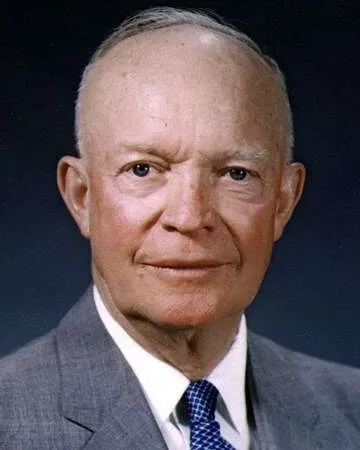
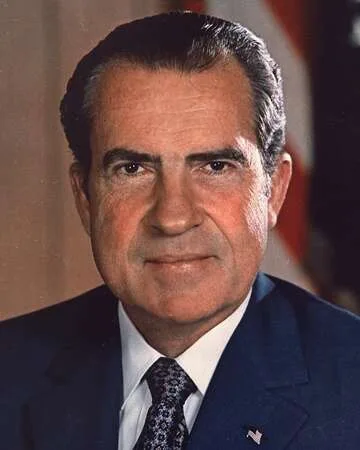
The 1956 Republican National Convention, held in San Francisco, was a pivotal moment for American politics, particularly for President Dwight D. Eisenhower and his running mate, Vice President Richard Nixon. This convention marked Eisenhower’s second nomination for President of the United States after his successful first term, during which he had gained significant popularity among the American public. The excitement was palpable as thousands gathered to show their support, united behind a platform of stability, prosperity, and a commitment to combating the spread of communism during the height of the Cold War.
Eisenhower's Legacy and Appeal
The decision to renominate Eisenhower was not surprising, given his strong track record. He had been a war hero, serving as Supreme Commander of the Allied Expeditionary Forces during World War II. His leadership style resonated with many Americans who were eager for a leader who promoted peace and economic growth. Eisenhower's policies, often referred to as "modern Republicanism," sought to balance progressive social policies with fiscal conservatism, which helped solidify his base within the party.
Nixon's Role in the Campaign
Alongside Eisenhower, Richard Nixon played a crucial role in the campaign. Having served as Vice President since 1953, Nixon was instrumental in promoting the administration's achievements and rallying support for their platform. His connection to conservative voters was invaluable, especially as he focused on issues such as national security and foreign policy, which were significant during this era.
The Campaign Ahead
Following their renomination, Eisenhower and Nixon headed into a re-election campaign that was about more than just the two candidates; it represented a choice between stability under Eisenhower or a shift toward the Democratic Party's platform, led by Adlai Stevenson. With a recovering economy, Eisenhower’s administration was seen as a stabilizing force, garnering significant support from various demographics. The combination of Eisenhower’s calm demeanor and Nixon’s vigorous campaigning was a formidable pair against the Democratic ticket.
Challenges in the Campaign
Despite their strengths, Eisenhower and Nixon faced challenges during the campaign. The Cold War context created anxiety among voters, with communism ever-present in American political discourse. The candidates had to address not only the concerns about national security but also domestic issues such as civil rights and economic inequality. They also had to keep their coalition unified to ensure victory.
A Historic Election Result
The 1956 election turned out to be a triumph for Eisenhower and Nixon, as they defeated Stevenson decisively, securing 57.4% of the popular vote. This second victory confirmed Eisenhower's place in American history and solidified Nixon's role as a major political figure for years to follow.
Fun Fact
Eisenhower’s Interesting Fact
Interestingly, Dwight D. Eisenhower was the first sitting president to travel to the West Coast for a national party convention. His presence in San Francisco during 1956 underscored the importance of California in national politics, a trend that would continue for decades to come.
Additional Resources
Recommended Reading on Eisenhower
For those interested in diving deeper into Eisenhower's presidency, consider reading "Eisenhower: The Life and Times of an American Hero" by Michael Korda or "The Eisenhower Diaries" edited by Robert H. Ferrell. These books provide a comprehensive look at his life, leadership style, and the significant events of his administration.









 Continue with Google