


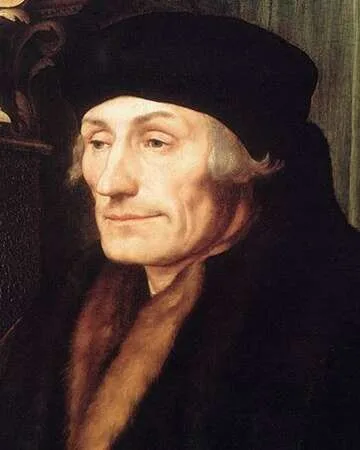
The Life of Erasmus: Birth and Early Years
Erasmus of Rotterdam
Erasmus, born in Rotterdam, Netherlands, in 1466, is recognized as one of the most influential humanists during the Renaissance. His early education laid the foundation for his profound intellectual pursuits, where his path toward becoming a prominent theologian began to take shape. Not only did Rotterdam provide Erasmus with an enriching environment, but it was also a burgeoning center for trade and culture during the late 15th century.
The Seeds of Humanism
As a young scholar, Erasmus was drawn to the study of classical texts, which inspired him to challenge the existing norms of theology and education. His works emphasized the importance of returning to original sources and engaging with past wisdom, which would later be a hallmark of the humanist movement.
Notable Works of Erasmus
The Praise of Folly
One of Erasmus's most significant contributions to literature and thought was his famous satirical work, The Praise of Folly, published in 1511. This book critiques the social and religious practices of his time through the lens of wit and irony. Erasmus personifies folly, who humorously highlights the absurdities of societal norms and religious foolishness, making the work both accessible and profoundly insightful.
Influence on Religion and Society
Erasmus's reformist ideas had a lasting impact on both Christian theology and the Catholic Church. His calls for reform can be seen as precursors to the Protestant Reformation, impacting figures like Martin Luther who were significantly influenced by his thoughts. Erasmus maintained that true Christianity could be found not in rituals but in a personal connection with God.
Death and Legacy
The End of Erasmus' Journey
After a fruitful life dedicated to scholarship, Erasmus passed away in 1536. His death marked the loss of one of the greatest minds of the Renaissance. However, the impact he made through his works, especially The Praise of Folly, continues to inspire scholars and thinkers around the world.
Enduring Influence
Erasmus's ideas about education, reform, and the importance of human experience became central themes not only of the Renaissance but also of Enlightenment thought. His legacy lives on in modern interpretations of humanism and his influence can be seen in various intellectual movements that followed.
Fun Fact
Erasmus’s Witty Nature
A lesser-known fact about Erasmus is his exceptional wit; he was known to declare, "When I get a little money I buy books; and if there is any left over I buy food." This reflects not only his love for learning but also his humor and perspective on life.
Additional Resources
Recommended Reading on Erasmus
For those interested in deepening their understanding of this remarkable figure, consider reading The Essential Erasmus, which curates his most important works, or Erasmus: His Life and Work, which delves into his biography and contributions to humanism. These texts are a great starting point to explore the legacy of this incredible scholar.



 Continue with Google