


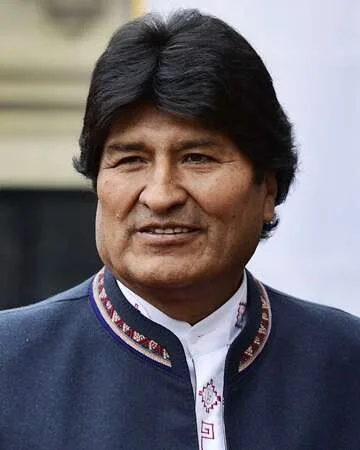
A Historic Moment for Bolivia
On January 22, 2006, a significant event unfolded in the heart of Bolivia, marking a turning point in the nation's history. Evo Morales was inaugurated as the first indigenous president of Bolivia. His ascent to the presidency represented not just a political victory, but a profound cultural shift in a country where indigenous peoples had long been marginalized. Morales, who hailed from the Aymara indigenous group, promised to bring social justice and economic reforms that would benefit the indigenous population and empower the historically disenfranchised majority.
Background of Evo Morales
Evo Morales was born in Isallavi, Bolivia, in 1960. Before entering politics, he was a union leader and played a pivotal role in organizing farmers of coca, a plant that has significant cultural importance. His grassroots activism laid the groundwork for a political career that would see him rise through the ranks to become a national figure. His background as an indigenous activist set the stage for a presidency focused on addressing inequality and lifting the voices of Bolivia's indigenous communities.
Election Campaign and Victory
Morales ran for president under the banner of the Movement for Socialism (MAS) and advocated for a range of progressive policies, including the nationalization of Bolivia's natural resources. His campaign resonated deeply with many Bolivians who were disillusioned with traditional politics. When he won the 2005 elections by a landslide, his victory was celebrated as a triumph for the indigenous population and a rejection of the status quo.
The Inauguration Ceremony
The inauguration of Evo Morales was marked by a colorful ceremony filled with cultural significance. It was held in the Plaza Murillo, where he took the oath of office while brandishing a ceremonial staff, symbolizing his connection to indigenous heritage. Morales's inauguration was not solely a political event but also a celebration of indigenous identity, culture, and pride amid centuries of colonial legacy.
Symbolism of His Presidency
Morales's election signified a new era for Bolivia, highlighting the political power of indigenous populations. He pledged to enact significant reforms in education, healthcare, and land redistribution, setting ambitious goals to redefine Bolivia’s socio-economic landscape.
International Reaction
The international community responded with a mix of surprise and optimism. Many viewed Morales's election as a model for indigenous political representation globally. However, it also raised concerns among those who feared his leftist policies might lead to conflict. Regardless, Morales quickly set about implementing his transformative agenda, solidifying Bolivia's place in the global discussion about indigenous rights and autonomy.
Fun Fact
Evo Morales's Interesting Fact
Did you know that Evo Morales is known for his unusual culinary choice? As a former coca farmer, he promotes the use of coca leaves as a natural remedy and even enjoyed coca tea, challenging global perceptions of this significant cultural plant.
Additional Resources
Recommended Reading on Evo Morales
For those interested in learning more about Evo Morales and his impact on Bolivia, consider reading “Evo Morales: The Extraordinary Rise of the First Indigenous President of Bolivia” and “Coca: From Cultural to Political Icon”. These works provide in-depth insights into his presidency and the cultural significance of his policies.






 Continue with Google