


The Crisis Following the 2019 Bolivian Election
Evo Morales’ Controversial Election Re-election
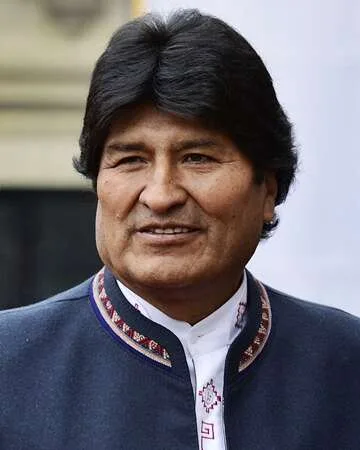
The events surrounding the resignation of Bolivian President Evo Morales in 2019 were marked by a highly contentious national election. Morales, who had been in power since 2006, sought a fourth term in office, which was met with significant backlash. The October 20, 2019 election results led to widespread accusations of fraud and irregularities, igniting a series of protests throughout the country. As tensions grew, international observers and the Organization of American States (OAS) identified severe irregularities in the electoral process.
Public Outcry and Widespread Protests
After the election results were announced, Bolivians took to the streets in droves, demanding justice and transparency. The protests were fueled by allegations that Morales' government had manipulated the results to secure his victory. Demonstrators called for new elections and changes in governance, leading to violent clashes between police forces and protesters. The unrest was emblematic of a larger struggle for democracy within Bolivia, as citizens grew increasingly frustrated with Morales’ extended grip on power.
The Resignation: A Dramatic Turn of Events
Evo Morales’ Decision to Step Down
On November 10, 2019, under immense pressure from the military and ongoing public protests, Evo Morales announced his resignation. His decision marked a pivotal moment in Bolivian history, reflecting the deep divisions within the country. The military's directive for Morales to resign was seen as a significant factor in his fall from power and raised concerns about the military's role in politics. Many Bolivians celebrated the resignation, viewing it as a hard-fought victory for democracy.
The Aftermath and Political Vacuum
Following Morales' resignation, Bolivia faced a political power vacuum, leading to further instability. Jeanine Áñez, the second vice president of the Senate, declared herself interim president amid chaos, igniting further protests both supporting and opposing the transition. The situation was complex, as various factions vied for control and influence over the country’s future. Bolivia's political landscape was forever altered, with a new generation of activists emerging, advocating for change and reform.
Fun Fact
The First Indigenous President of Bolivia
Evo Morales made history as Bolivia’s first indigenous president, representing the Aymara people. His presidency focused on social reforms and economic development, aiming to empower marginalized communities within Bolivia.
Additional Resources
Recommended Reading on Evo Morales
For those interested in exploring more about Evo Morales and the evolution of Bolivian politics, consider reading The Gathering of the Waters by W. John Green and Evo Morales: The Extraordinary Rise of the First Indigenous President of Bolivia by John Crabtree.




 Continue with Google