


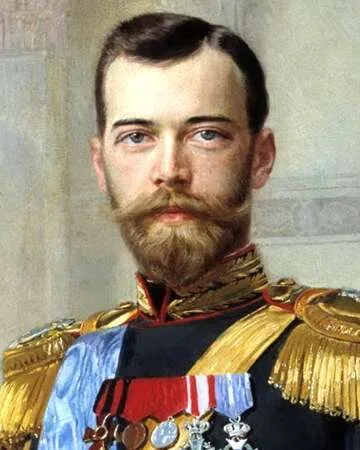
Understanding the General Mobilization of 1914
The year 1914 marked a significant turning point in history, particularly for the Russian Empire under Tsar Nicholas II. Initially hesitant, Tsar Nicholas was ultimately persuaded to issue a decree for a general mobilization of his army. This decision came shortly after Austria-Hungary announced its own mobilization in response to the assassination of Archduke Franz Ferdinand, which effectively set in motion the events that would lead to the outbreak of World War I.
Tsar Nicholas II’s Reluctance
In the early days of July 1914, as tensions escalated in Europe, Tsar Nicholas II faced immense pressure from military leaders and advisors to mobilize the Russian army. Despite his strong sense of duty, Nicholas was deeply troubled by the prospect of war. During a meeting, he famously expressed, "Think of the thousands and thousands of men who will be sent to their deaths!" This poignant sentiment reflected his inner conflict as a leader torn between national loyalty and the heavy burden of responsibility for his subjects’ lives.
The Pressure to Mobilize
As war loomed on the horizon, the situation grew increasingly dire. The impact of Germany’s growing military presence and the alliance systems in place created a tense atmosphere. With Austria-Hungary mobilizing and calling for support from its allies, the pressure mounted on Tsar Nicholas II to act decisively. Just a few days following Austria-Hungary's mobilization, he ultimately yielded to military and political pressure, signing the decree for Russia's general mobilization on July 30, 1914, leading to the country's direct involvement in World War I.
The Consequences of the Mobilization
The mobilization proclaimed by Tsar Nicholas II resulted in a swift escalation of the conflict. Russia's decision to enter the war not only affected its relationship with Austria-Hungary but also involved its alliance with France and opposition to Germany. The military strategy employed by Russia was fraught with challenges, and the implications of this mobilization would resonate throughout the entirety of the war.
Impact on Russia's Military Strategy
The general mobilization of 1914 was intended to be a preemptive action against the perceived threats posed by Germany and Austria-Hungary. However, the execution of this military strategy was poorly organized and led to drastic losses in the early battles of the war. As the war dragged on, the Russian army faced numerous challenges, including logistical failures and lack of supplies, which would eventually contribute to the social unrest that would culminate in the Russian Revolution.
Tsar Nicholas II’s Legacy
Tsar Nicholas II's decision for general mobilization marked a crucial chapter in both his reign and Russian history. Ultimately, this act set into motion a series of events that not only led to the catastrophic consequences of World War I for Russia but also eroded the Tsar's already dwindling support among his people, culminating in his abdication and the rise of revolution in 1917.
Fun Fact
Did You Know?
The mobilization in 1914 was one of the largest military mobilizations in history at the time, with millions of soldiers being called to serve. Tsar Nicholas II's military dominance at this stage was overshadowed by the overwhelming challenges that were to come in the ensuing years.
Additional Resources
Recommended Reading on Tsar Nicholas II
For those interested in a deeper exploration of Tsar Nicholas II and the impact of the mobilization, consider The Last Tsar: The Life and Death of Nicholas II or Russia's Last Tsar: The Life and Reign of Nicholas II. These works provide valuable insights into the life and struggles of Tsar Nicholas II against the backdrop of World War I.





 Continue with Google