


The Beginning of Hostilities: Germany vs. Russia
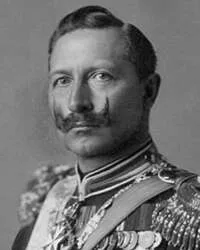
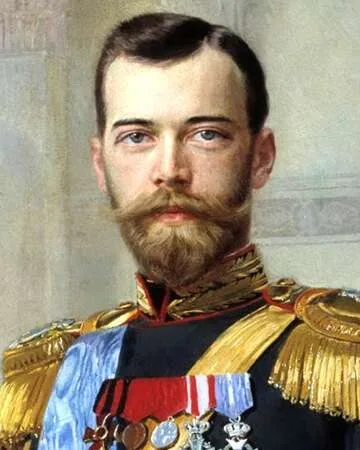
On August 1, 1914, Emperor Wilhelm II of Germany declared war on Tsar Nicholas II of Russia, marking a monumental moment that escalated tensions into what would become known as World War I. This declaration was more than a simple military action; it symbolized the breakdown of familial ties between the two leaders, who were cousins, as well as a significant turning point in European history.
Emperor Wilhelm II's Decision to Declare War
The war declaration was driven by complex political factors. Wilhelm II, influenced by military advisors, believed that a swift victory against Russia was essential to maintain Germany's status as a European power. The geopolitical situation, which saw alliances forming and tensions rising, left little room for negotiation, pushing Germany towards a war it viewed as inevitable.
The Impact on Tsar Nicholas II
For Tsar Nicholas II, the declaration of war by his own family member led to a deep sense of personal betrayal. As the leader of Russia, he felt compelled to mobilize against Germany in defense of Serbia, which was perceived as an ally. The monarchy aimed to rally nationalism among the Russian populace, which contributed to Nicholas's decision to enter the conflict.
The Immediate Consequences of War Declaration
The declaration of war triggered a rapid escalation of military actions and alliances, quickly involving multiple countries. It set in motion a series of events that resulted in a full-scale war across Europe, with the Central Powers and the Allies formed amidst rising hostilities.
Military Mobilization and Strategy
In response to Germany's declaration, Russia began mobilizing its forces, leading to significant military engagements on the Eastern Front. The decision to engage militarily brought a wave of support for the Tsar, with national pride driving many Russians to the front lines against their historical rivals.
The Role of Alliances in the Outbreak of War
This event highlighted the fragile alliances that characterized early 20th-century Europe. The entangled commitments between nations meant that a conflict involving one nation could quickly escalate into a larger war, as seen in the declarations that followed Germany's war on Russia, involving France and Britain shortly thereafter.
Fun Fact
The Family Connection
Interestingly, the monarchs of Europe during WWI were related to each other. Wilhelm II, Nicholas II, and King George V of Britain were all cousins, which adds a profound irony to the devastating conflict between their nations.
Additional Resources
Recommended Reading on World War I
For those interested in delving deeper into this significant period, I recommend the following books: "The Guns of August" by Barbara W. Tuchman, and "The First World War" by John Keegan. These works provide invaluable insight into the events leading to the war and its cascading consequences.





 Continue with Google