


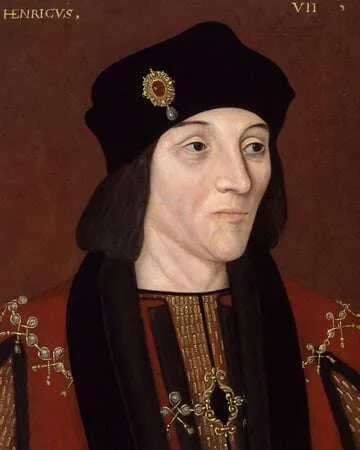
Henry Tudor's Historic Landing
On August 1, 1485, Henry Tudor, a claimant to the English throne, made a pivotal return to England from exile in France. After years of living in relative obscurity, he gathered a force of supporters and sailed across the channel with the intention of overthrowing King Richard III. This moment marked the onset of a significant power struggle in English history that would ultimately lead Henry to become the first monarch of the Tudor dynasty as Henry VII.
The Support Behind Henry Tudor
Henry Tudor's landing was not just a solo endeavor; he was backed by a coalition of supporters including disaffected nobles, commoners, and those loyal to the House of Lancaster. His claim to the throne stemmed from his maternal lineage through Margaret Beaufort, which connected him to the royal bloodline. This diverse support base was crucial for his campaign, allowing him to rally troops and resources en route to confront Richard III.
The Road to Bosworth Field
After landing, Henry swiftly moved towards the Midlands, gathering more supporters as he went. His journey was fraught with challenges, as he sought to secure the loyalty of individuals who had previously served Richard III. His determination led to the dramatic confrontation at Bosworth Field on August 22, 1485, where Henry’s forces faced Richard's army in a decisive battle that would change the course of English history.
The Battle of Bosworth: Turning Point in the War of Roses
The culmination of Henry Tudor's efforts came during the Battle of Bosworth, where he faced deeply entrenched forces loyal to Richard III. This battle marked the end of the Wars of the Roses, a series of civil wars for the English throne between the Houses of York and Lancaster. Victorious, Henry Tudor eliminated Richard, who was slain in battle, thus paving the way for his ascension to the throne.
The Ascent of Henry VII
Following Richard's death, Henry quickly took control of the throne, marking the beginning of a new era with the establishment of the Tudor dynasty. He was crowned as Henry VII and married Elizabeth of York, thereby uniting the two rival factions and stabilizing England after decades of conflict.
Long-term Impacts of the Tudor Return
Henry Tudor's return and subsequent victory had long-lasting effects on England. The Tudor dynasty would reign for over a century, with notable monarchs like Henry VIII and Elizabeth I leading to significant cultural, political, and religious transformations throughout the nation. The shift initiated by Henry's return set in motion changes that would define the course of English history.
Fun Fact
Henry Tudor’s Unexpected Royal Legacy
Few would have predicted that the young Henry Tudor, a mere claimant with a tenuous connection to the throne, would become a king. Yet, his return led to a royal legacy that influenced England's history, including the famous reign of his grandson, Elizabeth I, known for her ability to unite England and foster the Elizabethan era.
Additional Resources
Recommended Reading on Henry VII
For those interested in delving deeper into this historical event, consider reading The Hollow Crown by Dan Jones or The Wars of the Roses by Alison Weir, both of which provide engaging insights on Henry VII's significance in English history.


![Tudor Monastery Farm [DVD]](https://assets.giftpals.com/assets/uc/Gift/uRKUkPEPg4dd/1/thumbnail_default_1.webp?LtywB3EZzlHg)










 Continue with Google