


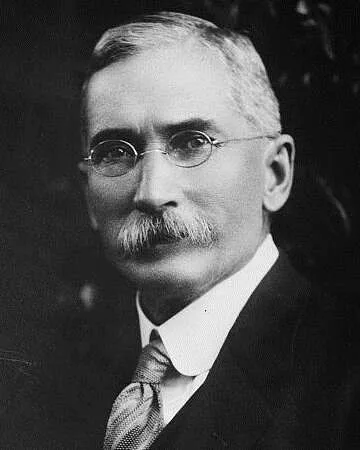
J. B. M. Hertzog: A New Era in South African Politics
In **1924**, South Africa witnessed a significant shift in its political landscape when **J. B. M. Hertzog** ascended to the position of Prime Minister. Leading a coalition government formed by the **National Party** and the **Labour Party**, Hertzog's leadership marked a transformative period in the country's governance. His ascent was not merely a matter of political maneuvering; it represented a historic confluence of national and labor interests aimed at addressing the various challenges faced by the citizens of South Africa during that era.
Hertzog's Vision for South Africa
As Prime Minister, **Hertzog** envisioned a South Africa that catered primarily to the needs of its Afrikaans-speaking population. His commitment to promoting Afrikaner nationalism and advocating for greater self-governance was central to his parliamentary agenda. This period saw the rise of policies that aimed to consolidate and fortify the social and economic structures around the Afrikaner identity, which resonated with a significant portion of the electorate.
The Coalition Government Dynamics
Hertzog's coalition with the **Labour Party** was intriguing, given the historic divisions between the two parties. While the National Party primarily represented the interests of Afrikaners, the Labour Party sought to champion the working class, including the concerns of both white and black laborers in the country. This coalition was indicative of a broader desire among leaders for political stability and economic reform during a time of post-war uncertainty.
Key Policies and Developments Under Hertzog
During Hertzog's tenure as Prime Minister, several policies were introduced that shaped the future of South Africa. His administration focused on issues such as education reform, labor rights, and infrastructure development, all aimed at promoting economic growth and improving living conditions for many South Africans.
Education Reform Initiatives
One of Hertzog's significant achievements was the emphasis placed on education. His government recognized the importance of education in fostering national unity and enhancing economic prospects. By advocating for increased funding for schools and educational initiatives targeted at underserved communities, Hertzog aimed to lay the groundwork for a more educated workforce.
Infrastructure Development Programs
Hertzog’s policies also prioritized infrastructure development, particularly the enhancement of roads, railways, and urban facilities. By investing in these areas, his administration sought to stimulate economic activity and promote regional growth, thereby benefiting various sections of the population.
Fun Fact
Hertzog's Historical Influence
Did you know that after serving as Prime Minister, J.B.M. Hertzog continued to play a pivotal role in shaping South African politics? He later played a significant part in the establishment of the **United Party** in 1934, which aimed to bridge the divide between the English and Afrikaans-speaking populations.
Additional Resources
Recommended Reading on J. B. M. Hertzog
For those interested in exploring more about J. B. M. Hertzog and the political environment of South Africa in the early 20th century, consider reading "Hertzog: The Life of J. B. M. Hertzog" by John W. Wright and "A History of South Africa: From the Earliest Times to the Present" by Leonard Thompson for a comprehensive view of this fundamental period.









 Continue with Google