


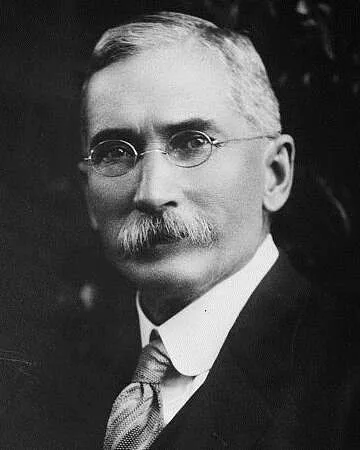
J. B. M. Hertzog's Resignation: A Defining Moment in South Africa
On 1st September 1939, the world was plunged into chaos as World War II erupted across Europe. In South Africa, Prime Minister J. B. M. Hertzog, who had held office since 1924, found himself facing unprecedented political pressure. Hertzog, a staunch advocate for neutrality in the ongoing global conflict, faced intense opposition within his own party, the United Party, as support started to shift towards a more interventionist approach. His resignation marked a significant turning point in South African politics, reflecting the complex interplay of domestic opinions regarding the war.
Hertzog's views on neutrality stemmed from his belief in maintaining South Africa’s autonomy from British imperial politics. However, the escalation of war led many, including members of his cabinet, to argue that South Africa should instead support the Allied forces. This ideological divide led to discontent within Parliament, ultimately culminating in Hertzog losing a crucial vote on the matter.
The Vote that Changed Everything
The deciding moment came when Hertzog put forth a proposal advocating for neutrality in the conflict. When members of the United Party and the opposition voted against him, it became clear that Hertzog's political strength was waning. His inability to secure parliamentary support on such a vital issue revealed a rift not just within political circles but also among the public, who were increasingly divided on whether to align with Britain or remain neutral.
The Aftermath of Hertzog's Resignation
Following his resignation, Hertzog’s place was taken by his rival, Jan Smuts, who was a strong proponent of supporting the Allied war effort. This led to a shift in South African policy, placing the nation firmly in support of Britain during the war. Hertzog's fall from power marked not only the end of his prime ministership but also a significant shift in national sentiment towards the war.
The Impact of Hertzog’s Policies on South African Society
Hertzog's resignation has been studied extensively as a crucial moment that influenced South African policy not just during the war, but in shaping the trajectory of racial and political relations in the country. His promotion of the Policy of Racial Discrimination began a legacy of segregation that would take decades to dismantle, even as the country entered and emerged from the global conflict.
The Legacy of J. B. M. Hertzog's Leadership
Hertzog’s administration was marked by his efforts to champion Afrikaner nationalism and navigate South Africa’s identity in relation to the British Empire. His policies, while aimed at securing Afrikaner rights, inadvertently sowed seeds for future conflicts and divisions that would manifest during apartheid.
Hertzog’s Resignation and Its Historical Significance
The resignation not only changed the course of South Africa’s engagement in WWII but also set the stage for upheavals in the political landscape that would touch generations. The transition revealed the complexities of governance and the deep-rooted divisions within South African society.
Fun Fact — An Interesting Note on Hertzog
J. B. M. Hertzog's Early Life
Before entering politics, Hertzog studied law and was a military officer during the Second Anglo-Boer War, which deeply influenced his views on governance and authority. His early experiences shaped his nationalism and commitment to Afrikaner interests.
Additional Resources
Recommended Reading on J. B. M. Hertzog
For those interested in a deeper exploration of Hertzog’s life and legacy, consider reading "The Afrikaner Bond: A History of the Afrikaner Nationalist Movement" and "South Africa: The Struggle for a New Order". These texts provide comprehensive insights into Hertzog’s controversial policies and the broader context of South African history during his tenure.








 Continue with Google