


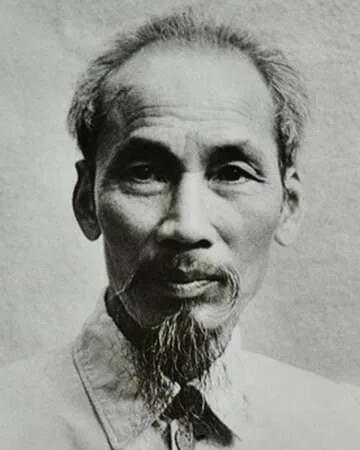
Ho Chi Minh's Bold Move in 1950
The Beginning of an Offensive
In the year 1950, Ho Chi Minh, the prominent leader of the Viet Minh, launched a significant military offensive against French colonial troops in Indochina. This was a pivotal moment in the struggle for Vietnamese independence from foreign rule. The offensive marked a new phase of the ongoing conflict between the Viet Minh and the French forces who sought to maintain control over Vietnam after World War II.
Ho Chi Minh's Strategic Vision
Ho Chi Minh envisioned a unified and independent Vietnam. Throughout the late 1940s, he had been gathering support from local populations and building the Viet Minh into a formidable force. The 1950 offensive was characterized by guerrilla tactics, surprise attacks, and mobilizing the masses, showcasing Ho's ability to galvanize the Vietnamese people in their fight for freedom.
The Response from French Troops
The French Military Strategy
The French troops, while experienced, found it increasingly challenging to combat the rising tide of nationalist fervor and guerrilla warfare techniques employed by the Viet Minh. In response to Ho Chi Minh’s aggressive strategy, French military operations began focusing on retaining major urban centers and key supply lines, leading to an intense struggle over strategic territories.
The Impact of the Offensive
Ho Chi Minh’s offensive laid the foundation for further escalations in the Indochina conflict, culminating eventually in the historic Battle of Dien Bien Phu in 1954. This pivotal moment would lead to the end of French colonial rule in Vietnam and significantly alter the geopolitical landscape of Southeast Asia.
Fun Fact
Ho Chi Minh’s Unexpected Support
During this period, Ho Chi Minh received support not just from Vietnamese peasants but also from the Chinese Communist Party, who provided both moral and material support to the Viet Minh, recognizing their struggle against colonialism as a pivotal part of global communism.
Additional Resources
Recommended Reading on Ho Chi Minh
For those interested in diving deeper into Ho Chi Minh's life and the history of Vietnam's struggle for independence, consider these insightful books: "Hồ Chí Minh: A Life" by William J. Duiker and "Vietnam: A History" by Stanley Karnow.








 Continue with Google