


The Historical Significance of 1926 in Poland
The year 1926 marked a crucial turning point for the Polish nation, notably with the election of Ignacy Mościcki as the President of Poland. This event occurred amidst a backdrop of political instability and social upheaval following Poland's re-establishment as an independent nation after World War I. Mościcki's election underscored the desperate need for stability and leadership during a time when the country was navigating post-war challenges and economic difficulties.
Ignacy Mościcki: The Man Behind the Presidency
Ignacy Mościcki, born on December 23, 1867, in Todzkie, Poland, was a prominent chemist and politician. Mościcki’s background in science, particularly his work in the chemical industry, positioned him uniquely to contribute to Poland’s modernization. He initially became involved in public service, and his alignment with Marshal Józef Piłsudski helped propel him into a position of political influence, culminating in his election as president.
The Context of His Election
Mościcki's presidency came after the May Coup of 1926, which saw Piłsudski seize control of the government. As a close ally of Piłsudski, Mościcki's election was part of the larger political strategy to consolidate power and bring about a new political order. His appointment aimed to assure both the military and civil institutions of stability and continuity in leadership.
Mościcki's Presidency: Achievements and Challenges
During his tenure from 1926 until 1939, Mościcki focused on strengthening Poland's economy and modernizing its infrastructure. Under his leadership, significant efforts were made to transform various sectors, including agriculture and industry, fostering national pride and unity.
Economic Modernization Initiatives
Mościcki implemented initiatives to modernize the economy and attract foreign investments. His government prioritized industrialization, leading to the establishment of several key industries and infrastructural projects that were critical for Poland's economic recovery.
Political Landscape and Challenges Faced
Despite Mościcki's efforts, his presidency was marred by political factionalism and opposition from various parties. The concentration of power within the executive branch created tensions that would later erupt into significant political disagreements, affecting both governance and public sentiment.
Fun Fact
Did You Know About Ignacy Mościcki?
Aside from politics, Ignacy Mościcki was an innovative scientist known for his contributions to the field of electrophoresis. He even held several patents related to chemical processes during his academic career.
Additional Resources
Recommended Reading on Ignacy Mościcki
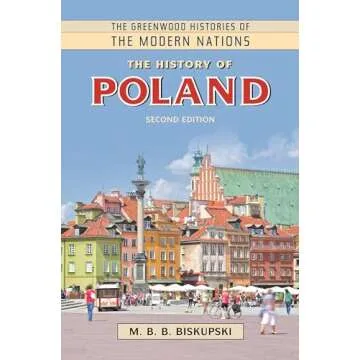
For a deeper understanding of Ignacy Mościcki's contributions, check out "Poland: A History" by Adam Zamoyski and "The First Polish Republic: A Property History" by Janusz Mijalka. These works provide rich insights into Poland's political and social evolution during Mościcki's presidency.








 Continue with Google