


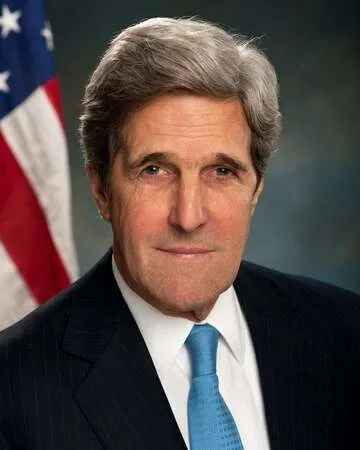
Introduction to the 2014 Ceasefire Proposal
In 2014, during a period of escalating conflict in the Gaza Strip, U.S. Secretary of State John Kerry put forth a ceasefire proposal aimed at ending hostilities between Israel and Hamas. This initiative came after weeks of violence that resulted in thousands of casualties and significant destruction in Gaza. However, the proposal faced immediate backlash from Israeli officials who expressed firm opposition to its terms.
Israel's Stance on Kerry's Ceasefire
The Israeli government was outspoken against Kerry’s ceasefire plan, particularly because it did not prioritize the destruction of terrorist tunnels utilized by Hamas for attacks against Israel. Israeli leaders insisted that any ceasefire must address their security concerns, including the necessity to eliminate the tunnel infrastructure, which they deemed a direct threat to their homeland.
The Need for Demilitarization of Gaza
Another critical issue for Israel was the demilitarization of the Gaza Strip. Israeli officials argued that a ceasefire would be futile without guarantees that Hamas would relinquish its military capabilities. This included not only the tunnels but also the vast arsenal of rockets and weaponry that Hamas had amassed. Israel asserted that any agreement absent these terms would likely lead to future conflicts.
Consequences of the Disagreement
The refusal to accept Kerry's proposal had significant ramifications on the peace process and international relations. It illustrated the deep-seated divide between Israeli strategies and international diplomatic efforts aimed at stabilizing the region.
The Impact on U.S.-Israel Relations
The conflict over the ceasefire terms raised concerns about the future of U.S.-Israel relations. Many observers noted that Israel's rejection of Kerry's outlined ceasefire could strain ties with the United States, historically one of its strongest allies. This situation underscored the complexity of aligning diplomatic initiatives with the on-ground realities in Israel and Gaza.
Public Opinion and Protests
The disagreement on the ceasefire proposal led to polarized public opinion. Many in Israel supported measures to neutralize Hamas entirely, while internationally, protests erupted advocating for a more humanitarian response. The divergence in perspectives highlighted the ongoing struggle to balance military and humanitarian considerations in conflict resolution.
Fun Fact
The Regional Impact of Ceasefires
One interesting fact about ceasefire proposals is that historical trends show most attempts have often resulted in temporary pauses in conflict rather than lasting peace. The 2014 ceasefire was no exception, as ongoing conflicts and hostilities continued to emerge in the following years.
Additional Resources
Recommended Reading on the 2014 Ceasefire
For those looking to deepen their understanding of the conflict and the historical context, consider exploring “Gaza: An Inquest into Its Martyrdom” by Norman Finkelstein, or “The Israel-Palestine Conflict: One Hundred Years of War” by James L. Gelvin. These resources provide extensive insights into the complexities of the conflict and the recurring themes of ceasefire negotiations.









 Continue with Google