


Adventurous Pursuit of the Northwest Passage
In the late 16th century, the desire to find a quicker route to Asia fueled many maritime explorations. One of the most notable figures of this period was John Davis, an English navigator and explorer. In 1585, Davis embarked on a journey that would take him to the waters of Cumberland Sound, situated in what is now Canada, in search of the legendary Northwest Passage. This title refers to a fabled sea route that sailors believed would connect the Atlantic and Pacific Oceans, thereby enabling faster trade routes with the East.
Davis was driven by both ambition and the promise of wealth. He understood that finding this passage would not only enhance his own fortune but would also establish England as a key player in the race for exploration of the new world. His journey was significant, setting the groundwork for future explorers who also sought the elusive route.
John Davis: The Man Behind the Expedition
John Davis was born in 1550 in Sandridge, England, and became a noted navigator of his time. His interests in navigation and seamanship were fostered during the intense maritime exploration era. Throughout his expeditions, Davis was known for meticulous navigational techniques and a spirit of perseverance, traits that were crucial during his 1585 voyage. His commitment to exploration was not just professional; it was a personal quest that would leave a lasting impact on maritime history.
Details of the Voyage to Cumberland Sound
Davis set sail on his expedition from England with two ships: The Desire and The Content. The planning included comprehensive research and charts from earlier explorers, which helped him navigate through icy waters and unpredictable weather. Upon arriving at Cumberland Sound, he explored the coastline and mapped the land, all while searching for indicators of a navigable route leading west. Despite facing numerous challenges, including encounters with harsh elements and the unknown, Davis's determination opened the door for future explorations.
Impact of Davis' Exploration
Although John Davis did not find the Northwest Passage during his time, his voyages significantly contributed to the understanding of the northern regions of North America. The information he gathered from his explorations laid the groundwork for future maritime expeditions and surprised many by revealing the geography of the Arctic frontier.
Legacy of the Northwest Passage
The search for the Northwest Passage remained a prominent goal for explorers for centuries to come. After Davis, many other explorers took on the challenge, including the famous expedition of Sir John Franklin in the 19th century. Davis' early efforts, however, continue to be recognized as significant milestones in the annals of exploration.
Lessons from John Davis’ Journey
The pursuit of knowledge and adventure drives humans to explore the unknown. Davis’ voyage illustrates not only the ambition behind exploration but also the lessons learned from navigating uncharted territories, determining that even moments of failure lead to discoveries that shape future endeavors.
Fun Fact
John Davis's Interesting Exploration Insight
John Davis was not only a skilled navigator but also contributed to navigation at sea by inventing the Davis Quadrant, a tool that helped sailors measure angles of celestial objects to determine their latitude—showing his ingenuity and lasting influence on navigation.
Additional Resources
Recommended Reading on John Davis
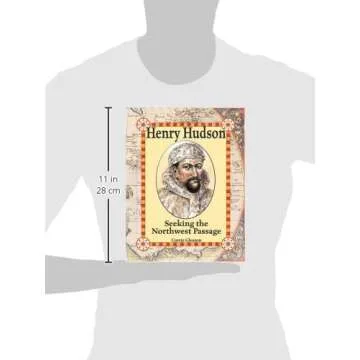
For those interested in diving deeper into the life of John Davis and his exploration efforts, consider these titles: The Northwest Passage: The role of John Davis in maritime history and Explorers of the New World: The brave journeys of early navigators. Each book provides valuable insights into the era of exploration and the characters who shaped maritime navigation.







 Continue with Google