


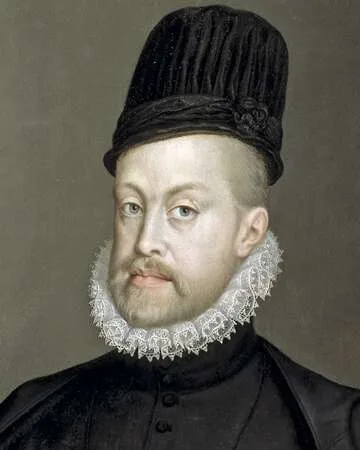
The Historical Significance of El Escorial
El Escorial is not just a royal palace but a symbol of Spanish power during the 16th century. Constructed under the reign of King Philip II of Spain, this architectural marvel served as a monastery, royal palace, and place of burial for Spanish monarchs. Located near Madrid, the site reflects the profound religious and political ambitions of Philip II, who sought to create a grand edifice that encapsulated his vision of a Catholic monarchy.
King Philip II’s Vision for El Escorial
When Philip II moved to El Escorial in 1598, the palace was not only a residence but a statement of his strategic reign, merging the ideas of spirituality and authority. The layout of El Escorial was designed to resemble a grill, commemorating Saint Lawrence, whose feast day coincided with the day the site was consecrated. Philip II saw El Escorial as a means to consolidate his power and express his devotion to the Catholic Church, emphasizing Spain's role as the leading Catholic kingdom.
The Tragic Move to El Escorial
In the summer of 1598, King Philip II, facing declining health and the burdens of his aging empire, made the momentous decision to move to El Escorial. Just three months later, he would breathe his last within its walls, marking a poignant end to a ruler who expanded the Spanish Empire and sought to embody its Christian values.
The Legacy of Philip II at El Escorial
Despite his passing just months after relocating, Philip II’s influence echoes through the continued significance of El Escorial. His burial site, within the basilica of El Escorial, became a sacred space that commemorates not only his reign but also Spain's historical narrative during the height of its power.
Philips II's Influence on Art and Architecture
Philip II's vision for El Escorial extended beyond its physical structure; it influenced a wave of art and architecture throughout Spain and Europe. The palace became a repository of art, housing works that displayed the wealth and glory of the Spanish crown. His passion for collecting and preserving cultural artifacts marked an era where the monarch was a patron of the arts, encouraging a fusion of history, religion, and power.
The Enduring Importance of El Escorial
Today, El Escorial stands as a UNESCO World Heritage site, drawing visitors who seek to understand the complex history behind Philip II and his dedication to both his faith and his kingdom. The palace remains a testament to the architectural prowess of the Spanish Renaissance and the lasting impact of Philip II’s reign.
Fun Fact
Philip II’s Interesting Fact
Interestingly, King Philip II was known to have an intense fascination with the concept of the divine right of kings, believing that his authority was granted directly by God. This belief was reflected in the grandiosity of El Escorial, aiming to commemorate both his rule and faith.
Additional Resources
Recommended Reading on King Philip II
For those interested in exploring further, consider reading "The Last Crusade: The Templar's War Against the Cathars" by Caleb Carr, which explores the historical context of Philip II’s reign, or "Philip II of Spain" by Henry Kamen, which provides an in-depth look at his life and legacy.





 Continue with Google