


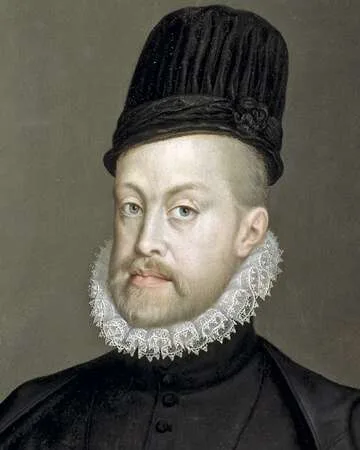
The Momentous Last Sacraments of Philip II
On the 13th of September, 1598, the Spanish King Philip II, known for his vast empire and devout Catholic faith, was administered the last sacraments. The reception of these sacraments, especially at such a pivotal moment in a monarch's life, underscored his unwavering commitment to his religious beliefs. This event not only marked a religious occasion but also had significant implications for the future of Spain and its influence in Europe.
Philip II's Religious Convictions
Throughout his reign, Philip II exhibited a deep devotion to the Catholic Church. His efforts in promoting Catholicism across his territories, particularly in the face of the Protestant Reformation, were defining aspects of his rule. Philip sought to strengthen the church's position and would often turn to religion for moral justification in his political endeavors. As he approached the end of his life, receiving the sacraments was a profoundly personal reaffirmation of his faith.
The Historical Context of the Event
The year 1598 was significant for Europe, marked by religious conflicts and power struggles. The tension between Catholic and Protestant regions was palpable. Philip’s receipt of the sacraments represents not just a personal farewell to life but also encapsulates the era's overarching struggle between these factions in Christendom. His death later that year would lead to changes in Spanish politics and influence across Europe.
The Death of Philip II
Following the sacraments, on September 13, 1598, Philip II passed away. His death marked the end of an era and posed questions regarding the succession and the future of the Spanish Empire.
The Legacy of Philip II
Even after his death, Philip II's legacy continued to loom large over Spain and its territories. The actions he took in defense of Catholicism during his reign established an emboldened framework for future monarchs and shaped the ideologies of European powers in the following centuries.
Impact on the Spanish Empire
Philip's commitment to religious orthodoxy and central authority paved the way for the policies of his successors, ultimately influencing the structure of the Spanish Empire and its relationships with both Protestant nations and the papacy.
Fun Fact
Philip II’s Interesting Fact
Interestingly, despite his strict adherence to Catholicism, historians note that Philip II was also a very pragmatic ruler. He prioritized the stability and power of his empire, sometimes even aligning with Protestants when it suited his political aims.
Additional Resources
Recommended Reading on Philip II
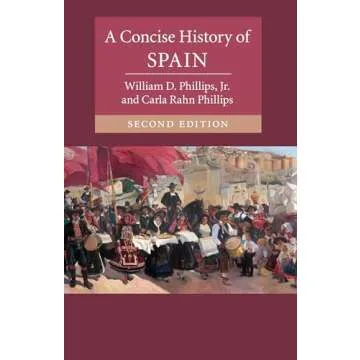
For those wishing to explore more about this fascinating figure, consider reading "Philip II of Spain" by Henry Kamen and "The Spanish Armada" by Angus Konstam. These works delve into the complexities of Philip’s rule and the larger historical context of his time.





 Continue with Google