


The Defiance of Martin Luther
Martin Luther's Stand Against the Papacy
On December 10, 1520, a pivotal moment in religious history occurred as Martin Luther, a German monk and theologian, publicly burned the papal edict that demanded his recantation. This act symbolized his bold stance against the Catholic Church’s practices, particularly the sale of indulgences. Luther’s actions were not only a rejection of papal authority but also a declaration of his beliefs, with profound implications for Christianity and Western society.
The Context of Martin Luther's Protest
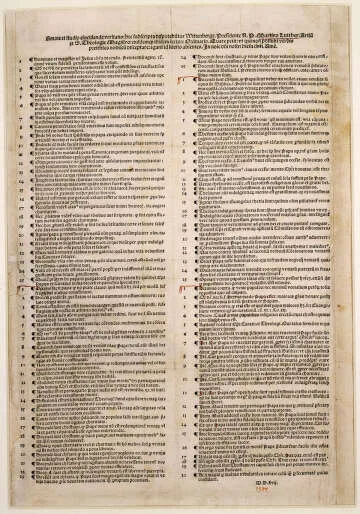
The conflict arose after Luther’s 95 Theses, posted in 1517, criticized the Church's corruption and led to an uproar throughout Europe. When the Pope issued the bull, or papal edict, demanding that he return to the fold or face excommunication, Luther's response was radical and emblematic.
The Burning Incident and Its Implications
Defiance in Wittenberg
The burning took place in Wittenberg, where Luther gathered a crowd to witness his defiance. By setting fire to the bull, Luther not only challenged the Pope’s authority but also inspired a movement that would grow into the Protestant Reformation. His actions resonated with many who were disillusioned by the Church, fueling calls for reform.
The Aftermath of Martin Luther's Actions
Luther's bold act was met with both support and condemnation. It solidified his role as a key figure in the Reformation, leading to the establishment of various Protestant denominations. The backlash from the Church intensified, resulting in his excommunication in January 1521, but by then, Luther had already sparked a fire of change across Europe.
Fun Fact
Martin Luther's Courageous Decision
Interestingly, the papal bull Luther burned was not just about his own recantation, but also addressed the broader issue of reforming the Church. This act of defiance directly led to a schism that changed the landscape of Christianity forever.
Additional Resources
Recommended Reading on Martin Luther
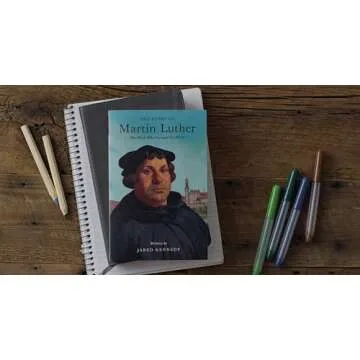
For further exploration of Luther's life and impact, consider reading “Here I Stand: A Life of Martin Luther” by Roland H. Bainton and “Martin Luther: Renegade and Prophet” by Lyndal Roper. Each provides a comprehensive look at Luther’s life and the effects of his rebellious spirit on history.




 Continue with Google