


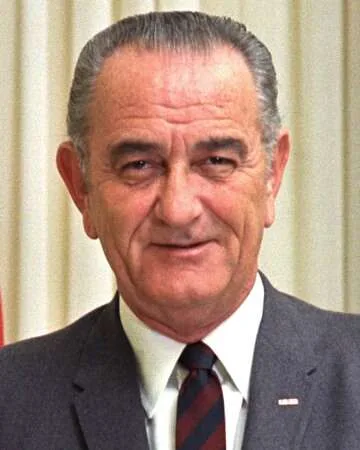
The Signing of the Medicare Bill
The Medicare Bill, signed into law by US President Lyndon Johnson on July 30, 1965, marked a pivotal moment in American healthcare history. This legislation was designed to provide healthcare coverage for the elderly, effectively changing the landscape of healthcare for millions of Americans. The bill aimed to assist individuals aged 65 and older who found it increasingly difficult to afford healthcare in a rapidly changing economy.
Lyndon Johnson and the Medicare Initiative
President Lyndon Johnson, driven by his vision of a Great Society, was a passionate advocate for social welfare programs. Johnson believed that accessibility to healthcare was a fundamental right and worked diligently to push the Medicare Bill through Congress. By signing this bill, he was fulfilling a promise made in his 1964 presidential campaign, focused on improving social conditions in the United States.
The Impact of Medicare on American Society
The introduction of Medicare transformed the lives of millions. Prior to its enactment, many seniors lived with the burden of medical costs that they could not afford. The program provided them with access to essential healthcare services, including hospital care, physician services, and essential diagnostic tests. Moreover, with the safety net of Medicare, older Americans could enjoy their golden years with greater peace of mind regarding their health.
How Medicare Changed U.S. Healthcare
The passage of the Medicare Bill paved the way for extensive reforms in the U.S. healthcare system. It not only improved the health of the elderly population but also set a precedent for future healthcare reform efforts. The initial coverage under Medicare was limited but laid the groundwork for expansions that would include younger people with disabilities and those with end-stage renal disease.
The Expanding Role of Medicare
Over the years, Medicare has grown to encompass a broader range of services and has undergone numerous amendments to meet the changing needs of society. From the addition of Medicaid in 1965 to recent advancements with Medicare Part D, which helped seniors with prescription drug costs, Medicare continues to evolve as a vital program for Americans.
Seniors’ Healthcare Needs and Medicare's Response
The successful implementation of the Medicare program highlighted the need for continuous dialogue about healthcare reform. As the demographic of seniors expands with the aging Baby Boomer population, Medicare faces new challenges, leading to ongoing discussions about sustainability, coverage, and costs. The passage of the Medicare Bill thus sparked a necessary conversation on how to effectively address the healthcare needs of the aging population.
Fun Fact
The Birth of Medicare's Name
The term "Medicare" is derived from the combination of the word "medical" and the name "care," symbolizing the program’s aim to provide comprehensive medical care for the elderly.
Additional Resources
Recommended Reading on Medicare
For those interested in a deeper exploration of Medicare's history and impact, consider reading “The Medicare Handbook” by the U.S. Department of Health and Human Services, or “Medicare: A Policy Primer” by the Kaiser Family Foundation. These resources delve into the intricacies and evolution of the Medicare program and its significance in American society.













 Continue with Google