


The Rise of Miguel I: An Absolutist Challenge
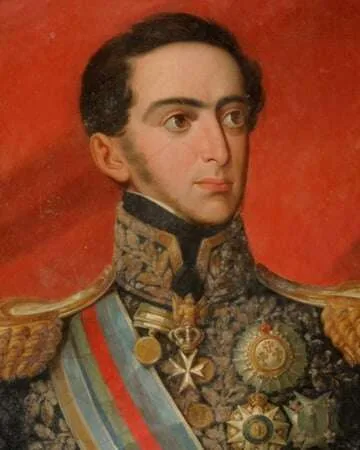
In **1828**, Miguel I of Portugal declared himself king amidst a turbulent political landscape marked by conflicting ideologies and ambitions. Following a series of struggles between supporters of the constitutional monarchy and those advocating for absolutism, Miguel seized the opportunity to press his claim to the throne, effectively initiating a conflict that would shape the country's future.
Miguel I: The Absolutist King
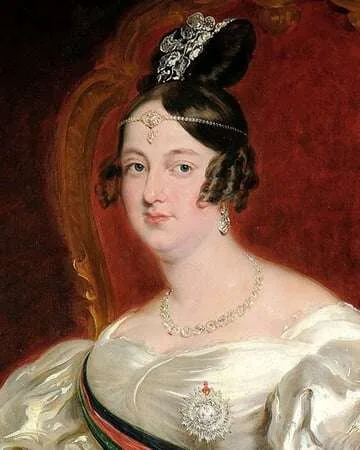
Miguel I, born in **1802** in the city of **Lisbon**, was a key figure in the Portuguese succession crisis. His rise to power was rooted in his belief in the principles of absolutism, a political doctrine advocating for a centralized and absolute authority in governance. This ideology put him in direct conflict with his niece, **Maria II**, who represented constitutionalism.
The Political Landscape of 1828
The political environment of early 19th century Portugal was exceptionally volatile. A backdrop of revolutionary ideas influenced by liberal movements across Europe stirred the populace. Miguel’s discontent with constitutional rule not only drove him to insurrection but also appealed to various factions within Portugal who sought a return to traditional monarchy.
Consequences of Miguel I's Ascendancy
The declaration of Miguel I as king marked the beginning of a **civil war** in Portugal, as Maria II’s supporters rallied to oppose him. This conflict would evolve into a prolonged struggle, highlighting the deep-seated tensions between differing political ideologies—absolutism versus constitutionalism.
The Civil War Unfolds
Once Miguel claimed the throne, Portugal was plunged into chaos. The conflict primarily pitted Miguel’s absolutist forces against those loyal to Maria. This confrontation not only had political implications but also caused significant social and economic disruptions throughout the nation.
Miguel I's Rule and Opposition
During his reign, Miguel attempted to consolidate power through various means, including the suppression of dissent. However, his rule was marked by resistance from liberal factions and growing international pressures, leading to further national instability.
Fun Fact
Miguel I’s Interesting Fact
Although Miguel I identified strongly with absolutism, he was eventually forced to flee Portugal after Maria II regained the throne in **1834**, leading to his exile in **France**. His reign remains a pivotal moment in Portuguese history, serving as a reflection of the broader continental struggles over governance and rights.
Additional Resources
Recommended Reading on Miguel I
For those wishing to dive deeper into this significant period of Portuguese history, consider reading “A History of Portugal” by J. B. de Almeida and “The Portuguese Civil War: A Study of Miguel I and Maria II” by Antonio R. da Silva. These works offer comprehensive insights into the political dynamics of the era.










 Continue with Google