


Understanding the Moratorium on War Debts
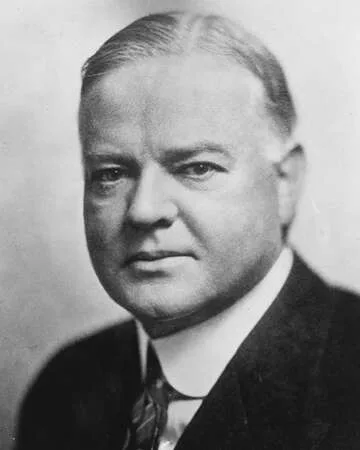
The year 1931 marked a pivotal moment in the United States' approach to economic recovery during the Great Depression. On June 20, 1931, President Herbert Hoover announced a one-year moratorium on war debt payments, a decision that resonated across the globe. This bold action was aimed at alleviating the financial pressures facing nations struggling with the remnants of World War I debts and the onslaught of a global economic crisis.
President Herbert Hoover's 1931 Moratorium
Hoover's moratorium was a response to increasing calls for economic relief as nations grappled with severe financial strains. At a time when many countries were defaulting on their debts, the moratorium served as a temporary reprieve, enabling both the U.S. and European nations to redirect their efforts toward recovery and rebuilding economies. This initiative was crucial amid fears that ongoing debts would exacerbate the economic downturn.
Impact on International Relations
By placing a moratorium on war debts, the U.S. essentially acknowledged the unsustainable nature of the financial obligations initially set post-World War I. Several countries, especially in Europe, welcomed this decision, viewing it as a much-needed breathing space that allowed them to stabilize their economies without the immediate pressure of debt repayments. However, this decision came with its own set of challenges, including criticisms from fiscal hawks who believed it undermined international financial stability.
The Broader Financial Context
The introduction of a moratorium on war debts was not an isolated incident but part of a series of economic maneuvers during the Great Depression era. Hoover's administration faced immense pressure to address the economic collapse that was gripping the nation, leading to high unemployment rates and widespread poverty.
Global Economic Challenges Faced by Nations
Nations around the world, particularly those that borrowed heavily to finance their roles in World War I, were struggling. With economic conditions deteriorating, the ability to repay debts was rapidly diminishing. Hoover's decision to impose a moratorium was not just about delaying payments; it was a strategic pivot towards prioritizing economic recovery over strict financial obligations.
Consequences and Aftermath
While the moratorium provided temporary relief, it also highlighted the fragility of international financial agreements. The temporary suspension of debt showed the necessity of systemic reforms in the global financial landscape to prevent future crises. Ultimately, the moratorium underscored the growing realization that collaborative solutions were essential to mitigate the impacts of economic downturns.
Fun Fact
Herbert Hoover’s Unexpected Background
Before entering politics, Herbert Hoover was a successful mining engineer and humanitarian, providing food aid in post-war Europe, which shaped his understanding of international economics and humanitarian crises. This experience influenced his approach towards the 1931 debt moratorium.
Additional Resources
Recommended Reading on Herbert Hoover
For a deeper understanding of Herbert Hoover's policies and the Great Depression, consider reading “The Great Engineer: The Life of Herbert Hoover” or “Hoover: The Fishing Years: 1929-1941”. These resources provide insights into his unique perspectives and the context of his era.






 Continue with Google