


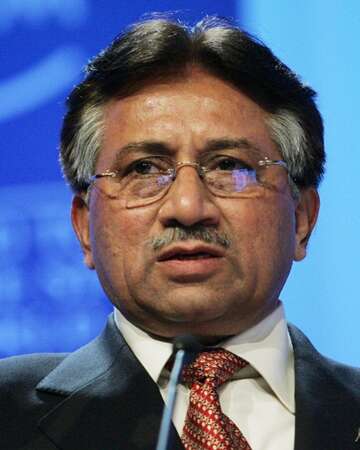
Pervez Musharraf's Historic Vote of Confidence
What Led to Pervez Musharraf's Electoral Victory?
On July 30, 2004, General Pervez Musharraf was elected as the President of Pakistan through a critical vote of confidence. This election was not a direct one from the public, but rather through the Electoral College, consisting of members of both national and provincial assemblies. Musharraf secured a significant 658 votes out of a total of 1,170, effectively confirming his position in accordance with Article 41(8) of the Pakistani Constitution, which states that an elected President is deemed to be elected if they secure majority support from the Electoral College.
The Political Context of Musharraf’s Election
The backdrop of this election was vital to understanding the challenges Musharraf faced. His presidency began in a controversial manner after a military coup in 1999, which ousted the then-Prime Minister Nawaz Sharif. Following the coup, Musharraf's government aimed to consolidate power and stabilize the country amidst internal unrest and regional conflicts. The vote of confidence was pivotal in legitimizing his presidency and government policies amid domestic and international scrutiny.
The Significance of the 2004 Vote
The Impact on Pakistan’s Democratic Process
Musharraf’s victory in 2004 was significant as it represented a rare moment when a military leader sought to establish a semblance of civilian political legitimacy through constitutional means. By winning this vote of confidence, Musharraf aimed to reinforce the idea that his presidency was supported by a democratic process, even though opposition parties largely boycotted the election claims, deeming it undemocratic.
Repercussions of Musharraf’s Presidency
Following the vote, Musharraf continued to implement policies that blended military authority with civilian governance, presenting his regime as a stabilizing force in Pakistan. However, this period also saw increasing dissent, leading to significant political dissent that culminated in his eventual resignation in 2008. The vote served not only as a point of consolidation for Musharraf’s regime but also a foreshadowing of the political turmoil that lay ahead.
Fun Fact
Musharraf’s Unique Approach to Leadership
Interestingly, Musharraf was known for his somewhat unconventional leadership style, which included openly stating on various occasions that he would not shy away from stepping down if the political environment and public sentiment turned against him.
Additional Resources
Recommended Reading on Pervez Musharraf
For those interested in diving deeper into the life and times of Pervez Musharraf, I recommend reading “In the Line of Fire: A Memoir”, where he details his life journey and political strategies, or “Musharraf: The Years of Trial and Hope”, which provides insights into his time in power and the challenges he faced.













 Continue with Google