


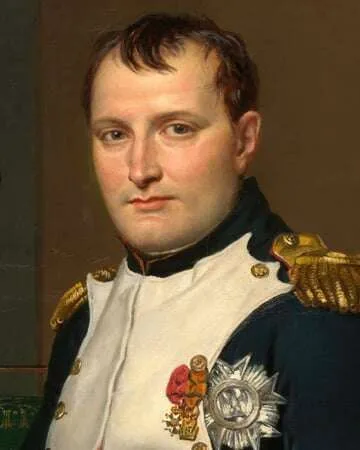
Napoleon's Strategic Move into the Rhine
In 1805, Napoleon Bonaparte, the French military leader and Emperor, made a significant move by directing his mighty army into the Rhine region. This event was pivotal in solidifying his power in Europe amid the tensions of the War of the Third Coalition. The Rhine, a critical geographical boundary, served as a gateway to further incursions into Central Europe.
This strategy was not only a demonstration of military prowess but also an assertion of dominance in a landscape marked by shifting alliances and rivalries. By advancing into this area, Napoleon aimed to thwart the influence of the Coalition forces, which included Britain, Russia, Austria, and others united against France.
Significance of the Rhine for Napoleon
The Rhine was more than just a river; it represented a strategic route for logistics and supplies. By entering the Rhine in 1805, Napoleon could secure vital supply lines that would facilitate the movement of troops across Europe. This bold march reflected *Napoleon's tactical genius*, optimizing the landscape and the existing divisions among his enemies for his benefit.
Preparation for Battle
Before this fateful entrance into the Rhine, Napoleon meticulously planned his military campaigns, building an army that was not only large but also well-trained and equipped. The march into the Rhine served as a precursor to the larger confrontations that would unfold later in the year, particularly the *Battle of Austerlitz*, which would solidify Napoleon's reputation as a formidable military strategist.
The Aftermath of Napoleon's Entrance
Napoleon's 1805 entry into the Rhine had a significant impact on the ongoing war efforts against the Third Coalition. It not only intimidated his opponents but also rallied his troops under the cause of French expansion and domination.
Consequences for European Powers
As Napoleon's forces consolidated control over the Rhine, major powers like Austria had to reconsider their military strategies. This demonstration of strength from Napoleon led to a reevaluation of alliances and enmities in Europe. The decisive actions taken here would reverberate throughout the continent, greatly influencing European politics and warfare for years to come.
The Psychological Impact on Allies and Rivals
The swift and calculated movements of Napoleon’s army created an atmosphere of fear and awe. Allies of the Coalition were now more wary, knowing that engaging with Napoleon could lead to catastrophic outcomes, while it emboldened those who sought to align with France in hopes of sharing in its burgeoning glory.
Fun Fact
Napoleon's River Disguise
Interestingly, during his campaigns, Napoleon was known to use disguises to gather intelligence on enemy positions and morale. This cunning was part of what made him successful in battles and strategic maneuvers during his military career.
Additional Resources
Recommended Reading on Napoleon Bonaparte
If you're interested in delving deeper into the life and military strategies of Napoleon, consider reading "Napoleon: A Life" by Andrew Roberts or "Napoleon and His Court" by Munro Price. These texts provide rich insights into his infamous campaigns and the complexities of his character.








 Continue with Google