



The Innovation of the Pyréolophore
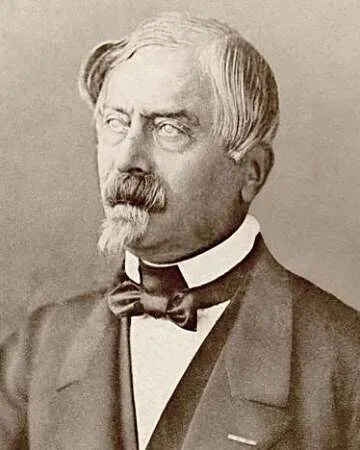
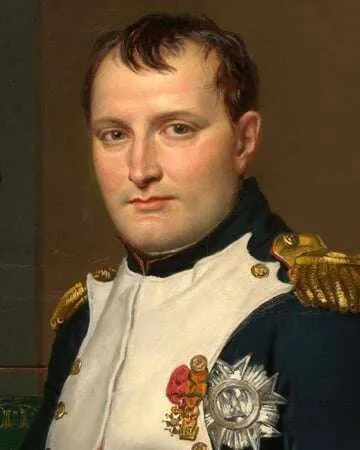
In 1807, a significant milestone in engineering was reached when Napoleon Bonaparte, the then Emperor of France, granted a patent for the Pyréolophore, a revolutionary early combustion engine designed for boats. This innovative invention was the brainchild of the Niépce brothers, Nicéphore Niépce and Claude Niépce, who sought to harness the power of steam for maritime purposes, paving the way for future developments in marine engineering.
The Pyréolophore was notable for its unique design and functionality, utilizing an internal combustion engine that was unlike typical steam engines of its time. This groundbreaking technology laid the groundwork for the evolution of steam navigation and marine propulsion.
The Niépce Brothers: Pioneers of Engineering
The Niépce brothers were not just inventors; they were pioneers in the field of engineering. Nicéphore Niépce, in particular, is well-known for his contributions to photography and is credited with creating the first permanent photograph. His collaboration with his brother Claude led to advancements that transcended mere mechanical applications and ventured into the realms of the arts and sciences, thus leaving a lasting legacy.
Impact of the Pyréolophore on Marine Technology
The introduction of the Pyréolophore marked a crucial turning point in maritime technology. It signaled a move away from traditional sailing vessels powered solely by wind towards vessels powered by combustion engines. This transition not only improved efficiency but also expanded the possibilities for navigation and trade during a period of rapid industrialization.
Napoleon's Role in Innovation
As a leader, Napoleon Bonaparte played an influential role in promoting technological advancements in France. Through his support for inventors like the Niépce brothers, he fostered an environment that encouraged innovation and progress, which was essential for France's development as a leading industrial nation.
Significance of Napoleon's Patent Grant
Napoleon's granting of the patent not only recognized the ingenuity of the Niépce brothers but also reflected his recognition of the importance of innovation in maintaining France's competitive edge. This decision helped stimulate interest in engineering and technology across Europe and established a legacy of support for inventors.
Broader Implications of Combustion Engines
The Pyréolophore ultimately served as an early example of how combustion engine technology could be applied beyond land vehicles, influencing future innovations that would lead to steamships and, eventually, modern marine engines. The foundation laid by the Pyréolophore can be traced through the evolution of maritime transportation.
Fun Fact
Nicéphore Niépce's Interesting Fact
Nicéphore Niépce is not only recognized as an inventor of the Pyréolophore but also holds the distinction of creating the world’s first photograph in 1826, known as "View from the Window at Le Gras," showcasing his multifaceted contributions to science and art.
Additional Resources
Recommended Reading on Nicéphore Niépce
For those intrigued by the life and contributions of Nicéphore Niépce, consider exploring The Invention of Photos and Early Days of Photography. These resources provide deeper insights into the innovations of the Niépce brothers and their impacts on both photography and engineering.












 Continue with Google