


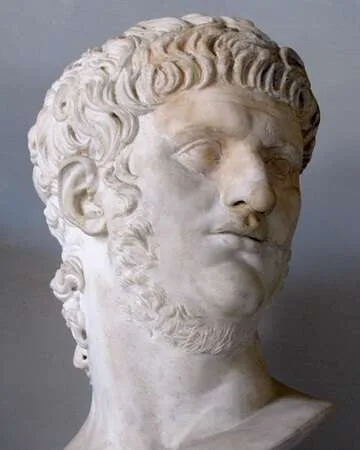
Significance of Nero's Title as Princeps Iuventutis
In the year 51 AD, a pivotal moment in Roman history occurred when Nero, who would later ascend to the throne as the infamous Roman Emperor, was granted the title of princeps iuventutis, meaning the "chief of youth." This designation was not merely an honor; it represented Nero's emergence into the public eye as a key figure within the Roman elite. During this period, Nero was the adopted son of Emperor Claudius, placing him in a unique position within the dynamics of Roman power.
This title was often conferred upon distinguished young men who were expected to assume leadership roles, signaling their readiness to take on responsibilities in governance and military. Although it might seem like a benign title today, it was laden with implications relating to loyalty, ambition, and the complexities of imperial succession in Rome.
Nero and His Role as Princeps Iuventutis
As princeps iuventutis, Nero garnered not just prestige but also the attention and aspirations of the Roman populace, particularly the youth. This position allowed Nero to cultivate a following while demonstrating his potential as a future leader. His charismatic persona and performance abilities made him popular among the younger generation, signalling to the Senate and the citizenry that he was indeed a candidate worthy of future leadership.
The Political Landscape of Rome in 51 AD
During this era, the political atmosphere of Rome was fraught with intrigue and manipulation. Emperor Claudius, Nero's adoptive father, faced numerous challenges, including conspiracies from political rivals and unrest within the provinces. The title of princeps iuventutis positioned Nero strategically as not just a youth but as a potential solution to the empire’s issues by preserving stability within the ruling class by providing a fresh face in the leadership.
The Rise of Nero to Emperor
Although the title of princeps iuventutis may have seemed insignificant at the time, it was a stepping stone for Nero, setting the stage for his controversial reign as Emperor after Claudius's death in 54 AD. The formative years under Claudius shaped Nero’s ambitions and helped refine his public persona, enabling him to navigate the treacherous political waters of the Roman Empire.
The Legacy of Nero's Rule
Nero’s legacy would be marked by both cultural advancements and notorious events, such as the Great Fire of Rome in 64 AD. The early title of princeps iuventutis can thus be viewed as the launching pad for a ruler whose life and reign would become subjects of extensive historical debate.
Nero's Controversial Leadership
As he transitioned into his role as emperor, Nero’s reign was characterized by both artistic patronage and brutal persecutions. The duality of his character became evident during his time as princeps iuventutis, showcasing the potential for greatness counterbalanced by formidable moral failings throughout his leadership.
Fun Fact
Nero’s Interesting Fact
Did you know that before becoming Emperor, Nero was famously passionate about the arts? He even fancied himself a musician and famously took to the stage to perform, much to the horror of the Roman elite!
Additional Resources
Recommended Reading on Nero
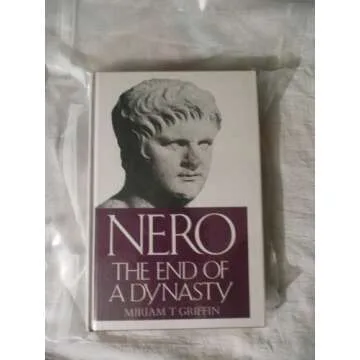
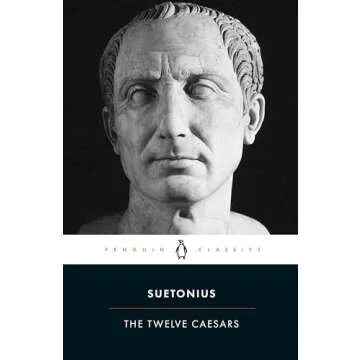
For those interested in diving deeper into Nero's captivating history, consider reading "Nero: The Man Behind the Myth" by Richard D. White or "The Twelve Caesars" by Suetonius, which offers intriguing insights into the life of one of Rome's most notorious leaders.











 Continue with Google