


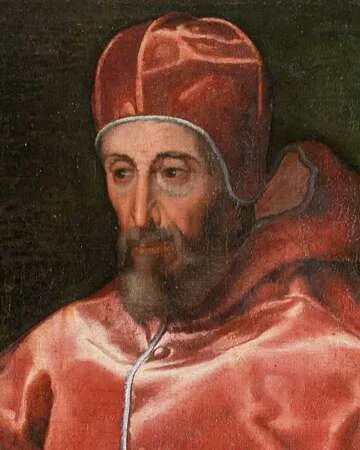
The Unexpected Decision of Pope Paul IV
In 1556, a significant event unfolded that would shape the relationship between the Papacy and the Habsburg dynasty, specifically Emperor Ferdinand I of Austria. Pope Paul IV, known for his politically astute but often abrasive temperament, chose not to crown Ferdinand I as the Holy Roman Emperor, a decision that startled many across Europe. This act was more than just a ceremonial refusal; it highlighted the tension between the papacy and the imperial power.
Pope Paul IV: A Brief Overview
Pope Paul IV, born Gian Pietro Carafa in Naples in 1476, was known for his zealousness in examining corruption within the Church. His election to the papacy in 1555 marked the beginning of an aggressive stance against both Protestantism and secular power, promoting a rigid Catholic orthodoxy. Paul IV believed strongly in papal supremacy over temporal rulers, which sets the stage for his refusal to crown Ferdinand I.
The Significance of the Crown
The coronation of an emperor by the pope was a powerful symbol of divine approval and a key moment in the relationship between the Church and the state. By denying Ferdinand this honor, Pope Paul IV aimed to assert the spiritual authority of the papacy, challenging the already complex political landscape of the Holy Roman Empire, which continued to be influenced heavily by Habsburg power.
Aftermath and Broader Implications
Paul IV’s refusal to crown Ferdinand I was a critical moment, exacerbating existing tensions between the papacy and the Habsburg monarchy. The incident illustrated a shift in the political dynamics of Europe during this period, emphasizing the struggle for power between religious authority and temporal rulers. It initiated a series of diplomatic rifts that had lasting implications for the relationship between the papacy and the Holy Roman Empire.
Impact on Habsburg Relations
The Habsburgs, who had been strong allies of the papacy, found themselves in a challenging position after this incident. Ferdinand sought to maintain stability and power amidst rising tensions with Protestant territories and the Protestant Reformation. His inability to secure the papal crown was seen as a failure and put pressure on his alliances.
Papal Authority Reinforced
Pope Paul IV’s stance effectively reinforced the notion of papal authority over the emperors, a theme that would echo throughout the centuries. This refusal illustrated the interplay between ecclesiastical and secular power and underscored the conflicts arising from the Protestant Reformation, which were further complicated by the ambitions of the Habsburgs across Europe.
Fun Fact
Pope Paul IV's Interesting Fact
Pope Paul IV was also known for the index of prohibited books he established, showcasing his commitment to preserving Catholic doctrine against emerging Protestant influences. His papacy was marked by both religious rigor and political maneuvering.
Additional Resources
Recommended Reading on Pope Paul IV and the Habsburgs
For those interested in exploring this fascinating period, consider reading The Habsburgs: Empire and Dynasty by Andrew Wheatcroft and The Age of Reformation by Henry Kamen. These texts provide valuable insights into the political and religious tensions of the time.









 Continue with Google