


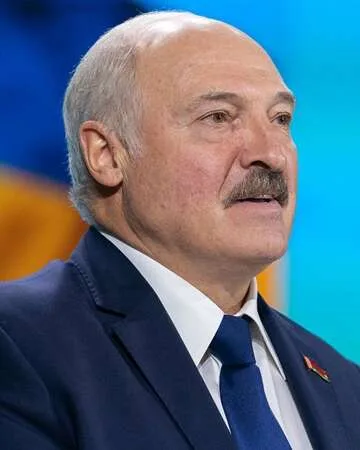
Nationwide Protests Erupt in Belarus
In 2020, Belarus experienced unprecedented unrest, with over 100,000 people demonstrating in the streets of Minsk alone. These protests were sparked by widespread allegations of vote rigging in the presidential elections that took place on August 9. Alexander Lukashenko, who has been in power since 1994, claimed victory for a sixth consecutive term, a result that was met with immediate skepticism and outrage from the populace. This sparked a wave of popular dissent as citizens demanded fair elections and an end to Lukashenko's authoritarian rule.
The Role of Alexander Lukashenko
Alexander Lukashenko, often referred to as "Europe's last dictator," has maintained an iron grip on Belarusian politics for decades. His leadership style has been characterized by repression of dissent and an ironclad control over the media and civil society. The 2020 elections, marred by accusations of fraud, became the catalyst for a renewed struggle for democracy and human rights in Belarus.
The Events Leading to the Protests
The protests gained momentum not only due to the allegations of fraud but also due to long-standing issues in Belarus such as economic hardship, lack of freedom, and government repression. Leading up to the elections, authorities had cracked down on opposition candidates and suppressed dissenting voices, igniting further outrage among the populace. This atmosphere of suppression set the stage for mass protests across the country.
A People's Movement for Change
The protests were organized by various opposition groups and were characterized by peaceful demonstrations, although they were met with violent crackdowns by security forces. Many Belarusians took to the streets, rallying under the red-and-white flag symbolizing the opposition. This nationwide mobilization demonstrated the unity and resolve of the people in their fight for democratic rights.
Impact of the Protests
The 2020 protests had profound implications not only for Belarus but for the international community as well. Countries around the world condemned the violence and called for free and fair elections, putting pressure on Lukashenko's regime. The protests highlighted the courage of ordinary Belarusians who stood against years of political oppression.
International Response
As the protests escalated, the international response grew more pronounced. European Union and United States officials expressed solidarity with the Belarusian people and imposed sanctions on the Lukashenko government. This marked a significant moment in Belarusian history, as the world took notice of the fight for democracy in the heart of Europe.
Fun Fact
Belarus’s Unyielding Spirit
Despite the oppressive regime, the spirit of the Belarusian people shone brightly during the protests. Many participants used social media and artistic expressions, such as slogans and street art, to rally support and spread awareness globally.
Additional Resources
Recommended Reading on Belarusian Protests
For those interested in exploring this topic further, consider reading "Voice from Belarus: A Collection of Personal Accounts" or "Revolution in Belarus: What Happened and Why". These resources provide insightful perspectives on the struggle for democracy in the region.









 Continue with Google