


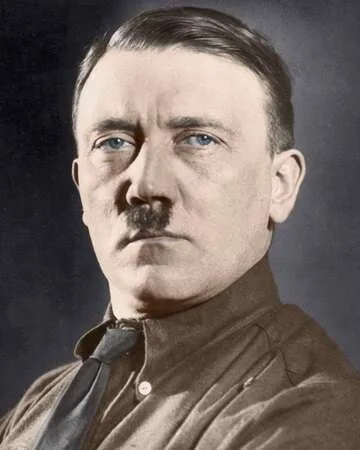
The Controversial Ban Lifted
On this day in 1928, the government of Prussia made a significant decision that would alter the course of history by lifting the ban on Adolf Hitler from speaking in public. This ban had been imposed due to concerns about the rising tensions caused by the **Nazi Party**, which Hitler led. His inflammatory speeches had been seen as a threat to public order and political stability.
Why Was Hitler Banned?
Adolf Hitler was banned from public speaking due to his extremist views and the chaotic political climate of Germany in the late 1920s. His rhetoric often incited violence and division among various political factions. The **Prussian authorities** considered that Hitler’s speeches could lead to unrest and thereby instilled the ban to protect public safety. This action reflected the fears surrounding the **Nazi Party**'s ambitions and their growing influence in German politics.
The Implications of the Ban's Lifting
By lifting the ban, Prussia opened the door for Hitler to regain visibility on the political stage. This event marked a turning point as it allowed him to re-engage with the populace directly and spread his ideology more freely. His powerful oratory skills and radical ideas were crucial in galvanizing support for the **Nazi Party**, leading to increased presence in elections in the following years.
The Rise of Hitler and the Nazi Party
The lifting of the ban subsequently played a role in the **Nazi Party**'s rise to power in Germany. Hitler utilized the newly permitted public speaking opportunities to expand his influence and further his message of nationalism, anti-communism, and anti-Semitism, which were key tenets of his party’s platform.
Hitler's Public Speaking and Its Impact
With the ban removed, Hitler's public speaking became a powerful tool for propaganda. His vast rallies and speeches began to attract thousands of individuals, cementing his status as a formidable political force. Consequently, this laid the groundwork for his eventual appointment as Chancellor of Germany and the subsequent establishment of a totalitarian regime.
Changes in German Society
The removal of the ban coincided with shifts in German society, where economic turmoil and dissatisfaction with the Weimar Republic led many to seek radical solutions. The **Nazi Party** thrived under these conditions, as Hitler capitalized on the widespread discontent to draw support from various segments of society.
Fun Fact
Hitler’s First Major Speech
Following the ban being lifted, Hitler delivered what would be one of his most significant speeches in early 1929. This speech famously called for national unity and a revival of German pride, striking a chord with a population disillusioned by post-World War I conditions.
Additional Resources
Recommended Reading on Adolf Hitler and the Nazi Party
For those interested in exploring this crucial period further, consider reading “The Rise and Fall of the Third Reich” by William L. Shirer and “Hitler: A Biography” by Ian Kershaw. These works provide in-depth discussions of Hitler’s tactics and the sociopolitical context of his rise to power.








 Continue with Google