


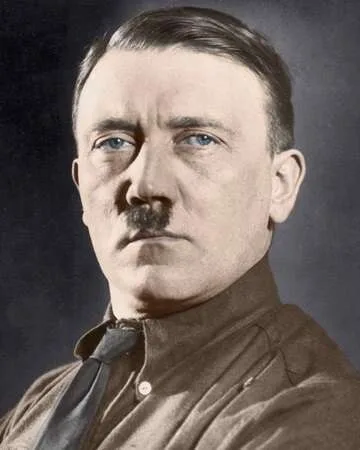
Unveiling Mein Kampf: A Controversial Manifesto
In 1925, the political landscape of Germany would forever change with the publication of Mein Kampf, a book penned by the infamous Adolf Hitler. Originally titled Four and a Half Years (of Struggle) Against Lies, Stupidity and Cowardice, this provocative work combined Hitler's autobiography and his ideology, laying the groundwork for his future political agenda.
Mein Kampf, released during a tumultuous period in German history, reflects Hitler's core beliefs, including his ideas on nationalism, race, and politics. It serves not only as a self-justification for Hitler's actions during World War I but also showcases his vehement anti-Semitic views, which would later have devastating consequences for millions.
Hitler's Background and the Birth of Mein Kampf
To fully understand the significance of Mein Kampf, we must delve into Adolf Hitler's early life and the experiences that shaped his worldview. Born in Austria in 1889, Hitler struggled to find his footing as a young artist and later became embroiled in the chaos of World War I. His deep-seated frustration with the socio-political climate upon returning home stripped of his dreams pushed him to articulate his anger and ambitions in the form of this book.
The Themes and Ideologies Present in Mein Kampf
Mein Kampf promotes a series of themes that were central to Hitler's vision for Germany. The ideas of racial purity and the superiority of the so-called Aryan race are prevalent throughout the text. It also reflects his belief in the necessity of a strong, centralized state led by a singular leader—a precursor to the totalitarian regime he would later establish.
The Impact of Mein Kampf on Germany and Beyond
The release of Mein Kampf coincided with a period of extreme economic hardship and political instability in Germany. The book rapidly grew in popularity, particularly among those seeking answers to the nation’s turmoil. Despite its controversial content, many were drawn to Hitler's passionate rhetoric and promised national revival.
The Role of Mein Kampf in Hitler's Rise to Power
Mein Kampf became a critical tool during Hitler's rise in the National Socialist German Workers' Party. His ideas outlined in the book resonated with the disillusioned citizenry, ultimately aiding his ascent to Chancellor in 1933. This book effectively transitioned from mere literature to a fundamental aspect of Nazi propaganda, influencing millions.
Mein Kampf's Legacy and the Lessons Learned
Today, the legacy of Mein Kampf is one of caution and reflection. It stands as a stark reminder of the dangers posed by unchecked hatred and extremist ideologies. The lessons from its content and the impact it had on history continue to be studied and discussed to prevent such ideologies from taking root in society again.
Fun Fact
Adolf Hitler’s Interesting Fact
Despite its infamy, Mein Kampf was initially a commercial success. By the time of Hitler’s ascendance to power, millions of copies had been sold, many of which were given as gifts to newlywed couples as part of a government initiative.
Additional Resources
Recommended Reading on Mein Kampf
For deeper exploration into the complexities surrounding Mein Kampf and its implications, consider reading Hitler: Ascent 1889-1939 by Volker Ullrich or Mein Kampf: The Complete Text, which provides insightful context and analysis.






 Continue with Google