


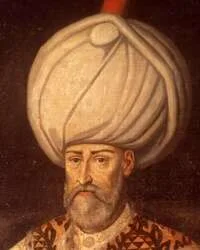
Introduction to Suleiman the Magnificent
In 1520, a significant chapter in Ottoman history began as Suleiman the Magnificent ascended to the throne, succeeding his father, Selim I. His reign, lasting until 1566, is remembered for its cultural flourishing and military conquests, marking the height of the Ottoman Empire's power.
Early Life of Suleiman
Suleiman was born in 1494 in Trabzon, a coastal town in present-day Turkey. He was educated in the royal palace and trained in the disciplines required to be a successful ruler. Known for his intelligence and ambition, he was determined to expand the empire and consolidate power.
Rise to Power as Sultan
Upon his father's death, Suleiman took control at the young age of 26. His ascent was characterized by a profound commitment to justice and governance, which laid the groundwork for a legacy that included significant legal and architectural achievements.
The Golden Age of the Ottoman Empire
Under Suleiman's rule, the Ottoman Empire experienced unprecedented growth and success, both in military expansion and cultural achievements.
Military Campaigns During Suleiman's Reign
Suleiman led several successful military campaigns, expanding the empire's territories into Europe, Asia, and Africa. Notable victories included the conquest of Buda in Hungary and the successful siege of Vienna. His strategic vision turned the Ottomans into a dominant force in the region.
Cultural and Legal Reforms by Suleiman
Aside from military conquests, Suleiman is revered for legal reforms that consolidated and codified the legal system within the empire. He earned the title "The Lawgiver" due to his emphasis on justice while patronizing the arts, leading to a cultural renaissance marked by incredible architecture, including the famous Suleymaniye Mosque in Istanbul.
Legacy of Suleiman the Magnificent
Suleiman's influence extended well beyond his lifetime, setting the stage for future governance and culture in the Ottoman Empire.
Suleiman's Impact on Ottoman Society
The reforms and expansions initiated by Suleiman shaped the socio-political landscape of the empire. His policies promoted trade, administration, and educational growth, which contributed to the strengthening of the Ottoman state.
Commemoration of Suleiman’s Achievements
Long after his death in 1566, Suleiman remains a celebrated figure in history. His achievements are a testament to the vibrant and diverse culture of the Ottoman Empire, reflecting a peak in its historical grand narrative.
Fun Fact
Did You Know About Suleiman's Name?
Suleiman is often referred to as "Magnificent" in the West, but in the Islamic world, he is celebrated as "Suleiman the Lawgiver," highlighting his dual legacy of military might and civic governance.
Additional Resources
Recommended Reading on Suleiman the Magnificent
For those interested in a deeper exploration of Suleiman’s life and legacy, some suggested readings include Suleiman the Magnificent and His Age by Rudolph Peters and The Ottoman Empire: A Short History by Suraiya Faroqhi.







 Continue with Google