


Unfolding of the 1529 Siege of Vienna
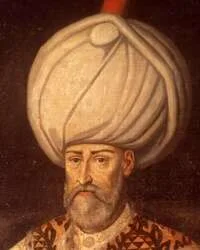
The Siege of Vienna in 1529 marked a significant event in European history, which highlighted the intentions of the Ottoman Empire under the leadership of Sultan Suleiman the Magnificent. This military campaign aimed to capture Vienna, the gateway to central Europe, solidifying Ottoman power in the region and potentially changing the course of European affairs.
The Arrival of Sultan Suleiman the Magnificent
Suleiman, known for his administrative reforms and military prowess, led a vast army toward the city of Vienna. His arrival was the culmination of a series of conquests that had expanded the Ottoman Empire, and he brought more than just troops; he aimed to establish an Islamic presence in Europe. As his forces encamped around the city in 1529, the air was filled with tension and impending conflict.
The Strategic Importance of Vienna
Vienna stood as a powerful symbol of Christian Europe, making its capture crucial for the Ottomans. Controlling Vienna was seen as a pathway to broader influence across Europe, and Suleiman's ambitions signaled a shift in the balance of power. The siege would test the resolve of the defenders and the might of the Ottoman military.
The Siege Begins
As the siege commenced, Vienna was fortified with walls and defenders eager to protect their city. The initial encounter saw Ottoman forces bombarding the city's defenses, while the inhabitants prepared for a protracted struggle. The outcome of this conflict would not only seal Vienna's fate but also impact the future of the European continent.
Defenders of Vienna
Under the command of influential leaders, the Viennese defenders mounted a fierce resistance against the overwhelmingly large Ottoman army. The city's strategic fortifications and the morale of its citizens played a crucial role in the resistance. The defenders' determination became a legendary tale that resonated throughout Europe.
The Impact on European Unity
The 1529 siege represented a pivotal moment in European history, uniting various factions against the Ottoman threat. The defense of Vienna inspired a sense of solidarity among Christian nations and marked the beginning of a series of conflicts between the Ottoman Empire and European powers. This siege was more than a military campaign; it was a call to action for Europe to unite against a common adversary.
Fun Fact
Suleiman's Vision Beyond Warfare
Beyond his military ambitions, Suleiman the Magnificent was known for his patronage of the arts and legal reforms, often referred to as the "Lawgiver". His vision encompassed not just conquest but also the development of a multicultural empire.
Additional Resources
Recommended Reading on the Siege of Vienna
For those intrigued by the Siege of Vienna, consider exploring "The Ottoman Empire and Early Modern Europe" by Daniel Goffman for a broader understanding of the period. Another insightful read is "Suleiman the Magnificent and His Age" by Academic Press, providing an in-depth look at the sultan's reign and the implications of his military campaigns.








 Continue with Google