


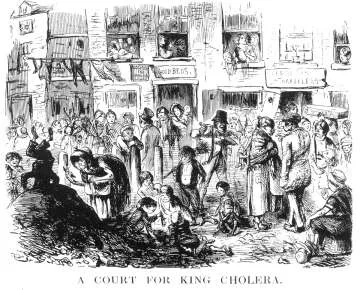
The Cholera Outbreak in Soho
In 1854, London was gripped by a devastating outbreak of cholera, particularly affecting the district of Soho. This was a time when the city was industrializing rapidly, and the population was surging due to migration to urban areas for work. Cholera, a waterborne disease that causes severe diarrhea and dehydration, struck with little warning, leading to widespread panic and chaos. The outbreak was so virulent that it led to approximately 600 deaths in just a few weeks, marking it as one of the most severe cholera epidemics the UK had ever faced. John Snow, a pioneering physician, became instrumental in understanding and combating this crisis.
John Snow's Innovative Approach
John Snow, often referred to as the father of modern epidemiology, was a noted anesthetist who approached the cholera outbreak with a scientific mindset. He famously mapped the cases of cholera in the Soho area, identifying a direct correlation between the illness and a specific public water pump on Broad Street. Through meticulous investigation, he concluded that the contaminated water from this pump was the source of the outbreak. This realization challenged the prevailing miasma theory, which suggested that diseases were caused by 'bad air.'
Impact of John Snow's Findings
The data collected and analyzed by John Snow was groundbreaking. After convincing local authorities, the Broad Street pump handle was removed, and remarkably, the number of new cholera cases began to decline. This event underscored the need for improved public health measures and eventually led to significant reforms in water and sewage systems in London, showcasing how a single physician's insights could save lives.
The Aftermath and Public Health Reforms
The 1854 cholera outbreak had lasting implications for public health in London and beyond. In the following years, the tragedy prompted a closer examination of sanitation practices and urban planning. The work of John Snow and others catalyzed the development of the modern drinking water system that prioritized cleanliness and safety.
Changing Perceptions of Disease Transmission
Before John Snow's work, the understanding of how diseases spread was limited. The 1854 cholera outbreak highlighted the critical link between water contamination and health. Public health authorities began to prioritize hygiene, leading to campaigns that ultimately eradicated cholera outbreaks from urban areas. This pivotal moment in London’s history laid the foundation for contemporary public health practices.
Legacy of the Cholera Outbreak
The cholera outbreak of 1854 left an indelible mark on society. It prompted the establishment of the London Metropolitan Board of Works in 1855, which oversaw the improvement of the city’s sanitation infrastructure, paving the way for modern public health initiatives that are still relevant today. John Snow's methodologies are now foundational in epidemiology, ensuring that future public health responses are grounded in scientific evidence.
Fun Fact
John Snow’s Interesting Fact
Interestingly, the handle from the Broad Street pump is preserved and displayed at the Science Museum in London, symbolizing the critical turning point in public health and the fight against waterborne diseases.
Additional Resources
Recommended Reading on John Snow and Cholera
For those interested in diving deeper into this significant historical event, consider reading “The Ghost Map” by Steven Johnson, which tells the story of Snow's investigation and its impact on public health. Another recommended book is “Cholera: A Biography” by Christopher Hamlin, which offers insights into how cholera has shaped societies worldwide.











 Continue with Google