


The Grattan Massacre and Its Aftermath
The Grattan Massacre was a pivotal event that escalated tensions between the U.S. military and Native American tribes in the mid-19th century. Occurring in 1854, the massacre involved a confrontation between a detachment of U.S. soldiers and a Lakota Sioux village over a stolen pig. In this skirmish, soldiers were ambushed, resulting in the deaths of several military men. The heinous act marked the start of a brutal period of violence known as the Indian Wars, which would permeate American history.
General William S. Harney's Vengeful Mission
In response to the Grattan Massacre, General William S. Harney led a mission aimed at avenging the fallen soldiers. In 1855, with a force of about 700 troops, Harney set out toward the Sioux village, determined to retaliate for the deaths of his men. This fierce campaign would illustrate the escalating violence that characterized the U.S. government's dealings with Native nations. Harney's decision was driven by a combination of military honor and a desire to reclaim control over territory systematically threatened by indigenous resistance.
The Attack on the Sioux Village
On September 3, 1855, General Harney and his troops descended upon a Sioux village in Nebraska. In what would become a devastating assault, they killed an estimated 100 men, women, and children, an act that further fueled hostilities between the U.S. and Native populations. This brutal military engagement has since been recognized as a significant and tragic chapter in the Indian Wars, demonstrating the violent lengths to which the U.S. military would go to assert dominance over indigenous peoples.
The Consequences of Harney's Attack
The attack on the Sioux village not only marked a deepening of the conflict between Native American tribes and American settlers but also initiated a series of retaliatory attacks from the Sioux, which would persist for years. This cycle of violence resulted in loss of life and the paths toward further displacement and suffering for Native communities.
The Long-Term Impact
General Harney's vengeful actions amplified hostilities that would echo through history, resulting in prolonged battles across the Great Plains. These encounters demonstrated the relentless push of U.S. expansionism and its devastating impact on Native sovereignty. The historical narrative of this era often highlights instances of resistance and survival among Native tribes, underscoring their resilience despite systematic oppression.
Learning from History
As we reflect on events such as the attack on the Sioux village, it is essential to recognize the broader implications of U.S. policy towards Native Americans during the 19th century. Understanding these events encourages discussions surrounding acknowledgment, reconciliation, and the experiences of indigenous peoples throughout history.
Fun Fact
The Legacy of General William S. Harney
General William S. Harney's actions not only shaped the dynamics of the Black Hills region but also contributed to a notorious legacy, as many see him as both a hero of American expansion and a figure of oppressive military force against indigenous peoples.
Additional Resources
Recommended Reading on the Indian Wars
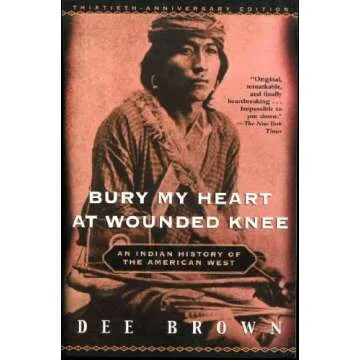
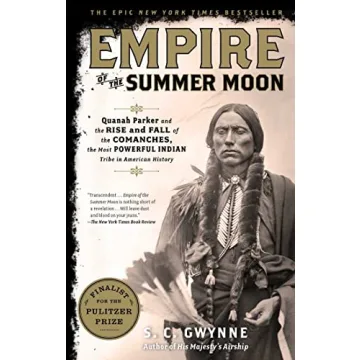
For those interested in delving deeper into this turbulent period, consider reading Bury My Heart at Wounded Knee by Dee Brown or Empire of the Summer Moon by S.C. Gwynne. Both works provide an expansive view of the conflicts between Native American tribes and U.S. forces.





 Continue with Google