


The Birth of the Eight-Hour Workday Movement
The year 1884 marked a significant turning point in labor rights in the United States, as workers began to unite under a common goal: the demand for an eight-hour workday. Inspired by growing movements worldwide, this pivotal year saw labor unions actively advocating for increased rights and benefits, primarily focusing on reducing long working hours that had become commonplace during the Industrial Revolution.
Workers Unite for Change
In the backdrop of harsh working conditions, workers across various industries found common ground in their struggle against excessive hours. In 1884, the Federation of Organized Trades and Labor Unions set a new standard by declaring that the eight-hour workday was a fundamental right that needed to be achieved by May 1, 1886. This declaration rallied countless laborers, unifying their voices and demanding change amid rising industrial exploitation.
Organizing for Justice
The push for an eight-hour workday was not just about protecting workers' rights; it was about dignity and respect in the workplace. Workers recognized that long hours led to exhaustion, health problems, and diminished quality of life. The movement sparked protests and organized strikes, setting the stage for a larger revolution in labor conditions across the nation.
The Fight Continues: 1886 and Beyond
The culmination of the efforts began to unfold on May 1, 1886, where thousands of workers participated in marches advocating for the right to an eight-hour workday. These events not only highlighted the issue but also illustrated the growing solidarity among workers nationwide.
A Day of Protests and Change
On that memorable day, cities across America saw rallies and protests, with the Chicago Haymarket Affair marking a tragic climax to what should have been peaceful demonstrations. The struggle for an eight-hour workday resulted in both progress and setbacks, reflecting the complexities of labor rights advocacy during this intense period in American history.
Legislative Impacts and Future Generations
The aftermath of the movement laid foundations that future generations would build upon. Though it took years of further campaigns, the eight-hour workday eventually became an accepted standard in many industries, marking a historic victory for labor unions and advocates striving for equitable working conditions.
Fun Fact
Historical Significance of the Eight-Hour Workday
Did you know that the fight for the eight-hour workday not only transformed American labor laws but also inspired labor movements around the globe? Workers worldwide have drawn inspiration from the audacity and determination of U.S. labor activists in 1884 and beyond, leading to reforms in labor standards in numerous countries.
Additional Resources
Recommended Reading on the Eight-Hour Workday Movement
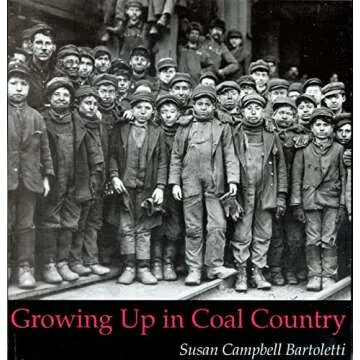
For those interested in learning more about this transformative period in labor history, consider these insightful reads: "Labor's Untold Story", "The Labor Movement: A History of America's Workers", and "Revolutionary Ideas: An Intellectual History of the French Revolution from The Rights of Man to Robespierre". Each offers an in-depth perspective into the struggles and triumphs of workers fighting for their rights.










 Continue with Google