


The 1920 Summer Olympics: A Historic Celebration
The 1920 Summer Olympics, held in Antwerp, Belgium, marked a significant moment in sports history, symbolizing hope and resilience in the aftermath of World War I. This event was not only a showcase of athletic prowess but also a celebration of peace, as many nations sought to recover and unite through the spirit of competition.
Background of the 1920 Summer Olympics
Originally planned to take place in 1916, the Olympic Games were canceled due to the war. When they were finally realized in 1920, the games were deeply infused with a sense of renewal. Antwerp, having been heavily damaged during the conflict, served as a poignant backdrop to the return of international sport.
Antwerp's Role as Host City
Antwerp’s hosting of the Olympics was significant, as it was the first games after the war, and the city embraced the opportunity to showcase its recovery and hospitality. The Olympisch Stadion was beautifully renovated, providing a suitable arena for athletes from around the globe.
A Memorable Olympic Experience
The 1920 Summer Olympics featured 29 nations and over 2,500 athletes, competing in 154 events across 22 sports. These Games were particularly known for their inclusion of women's events for the first time in Olympic history, adding a fresh dimension to the competition.
Women's Participation in the 1920 Olympics
The presence of women athletes was a landmark moment, as they participated in sports such as tennis and swimming. This act paved the way for future generations of female athletes, promoting gender equality in sports.
Notable Athletic Performances
Among the athletes who made headlines during the 1920 Olympics was Paavo Nurmi, who would go on to become one of the most celebrated distance runners, winning three gold medals during this event. His incredible speed and endurance captivated audiences and set new standards in the world of athletics.
Fun Fact
A Unique Olympic Flag
The 1920 Summer Olympics introduced a new Olympic flag, featuring the interlocking rings that symbolize unity among the continents. This flag has since become an enduring emblem of the Olympic movement.
Additional Resources
Recommended Reading on the 1920 Summer Olympics
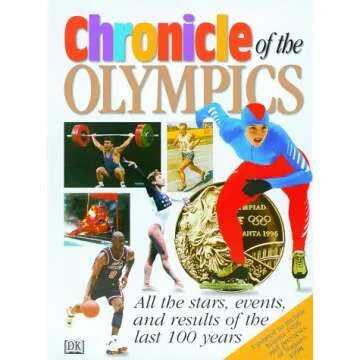
For those interested in delving deeper into the history of the Olympic Games, consider reading The Olympic Games: A Social Science Perspective and The Official Olympic History. These works provide rich insights into not only the events but also the cultural impact of the Olympics over the decades.








 Continue with Google