


Unveiling the Power: The 1961 Nuclear Test at Novaya Zemlya
The nuclear test conducted by the USSR on October 30, 1961, at **Novaya Zemlya** holds the record for being one of the most powerful explosions in history. This significant event marked a turning point in the Cold War era and highlighted the intense competition between world powers in the nuclear arms race. As the tensions escalated during the early 1960s, this test demonstrated the USSR's technological capabilities and commitment to expanding its military might. Moreover, the **Tsar Bomba**, as this test became known, was a hydrogen bomb with an estimated yield of around **50 megatons**, making it the most powerful nuclear weapon ever tested. The sheer scale of the explosion sent shockwaves through international relations, prompting reactions from governments around the world.
The Impact of the Tsar Bomba Test
The Tsar Bomba test was not merely a demonstration of military power; it had profound implications for global politics. The massive explosion was visible from hundreds of miles away and was felt as far as Norway. The test significantly impacted the **nuclear non-proliferation treaty** discussions, as nations around the world became increasingly aware of the catastrophic potential of nuclear weapons. It pushed the United States and other nations to reconsider their own nuclear strategies and deterrence policies.
Environmental Consequences
In addition to the threat posed to global peace, the nuclear test had severe environmental repercussions on the **Novaya Zemlya** archipelago. The fallout from the explosion contributed to radioactive contamination, affecting the local ecosystem and wildlife. The long-term environmental effects of such nuclear tests are still studied today, as they remind us of the potential dangers posed by nuclear arms development.
Political Ramifications of the 1961 Nuclear Test
The political landscape was heavily influenced by the events surrounding the **1961 nuclear test**. As nations witnessed the power of the USSR's nuclear arsenal, it drove home the need for arms control and diplomacy. During the following years, the Cold War tensions prompted both the US and USSR to engage in negotiations, paving the way for the **Partial Nuclear Test Ban Treaty** in 1963.
The Cold War Repercussions
This nuclear test significantly escalated the arms race during the **Cold War**, as Western powers reacted to the demonstration of Soviet strength. Countries like the United States ramped up their efforts to develop more advanced weapons, which contributed to a cycle of tension and confrontation between the blocs.
Legacy of Nuclear Tests
The legacy of the **1961 nuclear test** can still be felt today. While efforts have been made to prevent further nuclear testing through treaties, the presence of **nuclear weapons** remains a contentious issue. The memory of the Tsar Bomba serves as a powerful reminder of the destructive potential of these weapons and the importance of ongoing discussions around nuclear disarmament.
Fun Fact
Tsar Bomba's Unique Design
Interestingly, the Tsar Bomba was designed to be powerful enough to yield 100 megatons. However, to reduce fallout and demonstrate a show of power without triggering catastrophic nuclear fallout, the bomb was intentionally scaled down to 50 megatons for the test.
Additional Resources
Recommended Reading on Tsar Bomba
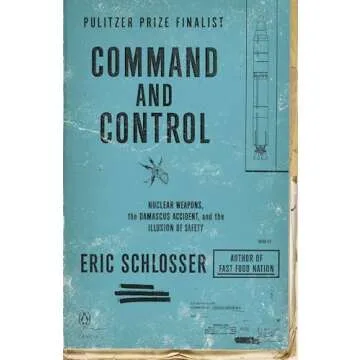
For those interested in learning more about this significant event, consider reading Chernobyl: The History of a Nuclear Catastrophe or Command and Control: Nuclear Weapons, the Damascus Accident, and the Illusion of Safety. These works delve deeper into the world of nuclear weapons and their historical context.





 Continue with Google