


The Diplomatic Breaking Point
In June 1967, the diplomatic landscape shifted dramatically as the USSR officially dropped its diplomatic relations with Israel. This decision did not merely stem from a single event but was rather a culmination of escalating tensions during a period of profound conflict in the Middle East, notably the Six-Day War.
The USSR's Stance towards Israel
Since its establishment in 1948, Israel had a complex relationship with the Soviet Union. Initially, the USSR had supported the formation of Israel, seeing it as a potential ally in the region. However, by the early 1960s, as Israel began to strengthen its ties with the West, particularly the United States, the Soviet Union grew increasingly wary and antagonistic, leading to tensions that would peak by 1967.
The Role of the Six-Day War
The Six-Day War, occurring from June 5 to June 10, 1967, marked a pivotal moment in Israeli-Arab relations and was a significant catalyst for the USSR's withdrawal from diplomatic engagement. Israel's swift military successes against neighboring Arab nations, including Egypt, Jordan, and Syria, alarmed the Soviet leadership. The USSR had deep ties with Arab states, and the rapid Israeli advances were viewed as a direct threat to its sphere of influence in the Middle East.
Post-War Dynamics
Following the conclusion of the Six-Day War, the USSR's decision to sever ties with Israel had far-reaching implications. This break not only signified a new chapter in Soviet-Israeli relations but also redefined superpower involvement in the Middle East's geopolitical affairs.
Changes in the Middle East's Power Dynamics
The USSR's withdrawal from diplomatic relations with Israel led to an increased support for Arab states, further intensifying the Cold War rivalry in the region. The Soviet Union began funneling resources, military aid, and political support to countries like Egypt and Syria, reinforcing its influence and creating a polarized environment.
Long-term Impact on Israeli-Soviet Relations
The diplomatic freeze resulted in decades of estrangement between Israel and the USSR, with both nations navigating a complex web of alliances and adversities. This rift set the stage for future conflicts and diplomatic negotiations, influencing Middle Eastern politics well into the late 20th century.
Fun Fact
Unique Responses to the Diplomatic Break
Following the 1967 rift, Israel’s burgeoning technology sector received little attention from the Soviet Union, with Israel becoming increasingly self-reliant in defense and technology, a shift that would later contribute to its position as a global tech leader.
Additional Resources
Recommended Reading on the 1967 Diplomatic Rift
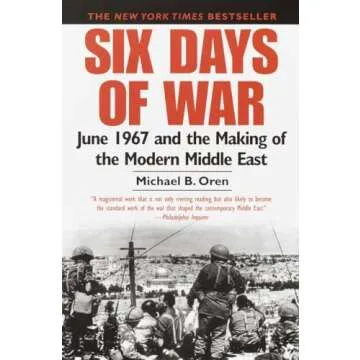
For those looking to explore more about this pivotal moment, consider reading "The Arab-Israeli Wars" by Ian J. Bickerton or "Six Days of War" by Michael Oren. These books offer in-depth analysis and insights into the complexities of the events surrounding the diplomatic fallout.







 Continue with Google