


The 1970 Belfast Riots: An Overview
The 1970 Belfast Riots marked a significant and tumultuous chapter in the long and complex history of Northern Ireland's struggle with sectarian violence. Following a series of escalating tensions, particularly surrounding issues of governance and community disparities between the nationalist and unionist factions, violent outbreaks erupted in the capital city of Belfast. Riots ensued not just as expressions of frustration, but also as manifestations of a deeper, longer-standing conflict rooted in political, religious, and social divides.
Causes of the Belfast Riots
The riots in Belfast were fueled by longstanding grievances within the Catholic community, who felt marginalized and discriminated against by the predominantly Protestant government. Issues such as inadequate housing, unequal employment opportunities, and political disenfranchisement led to widespread discontent. Combined with the civil rights movements that were gaining momentum across the globe, the unrest began to boil over into violence.
The Impact of Government Policies
A significant factor in the escalation of violence was the reaction of the government and law enforcement. The heavy-handed approach, often depicted as favoring one community over another, only added fuel to the fire. The police's perceived bias against the Catholic community further exacerbated tensions, leading to a breakdown of trust and an atmosphere ripe for conflict.
The Events of the Riots
Starting in 1970, the riots themselves were characterized by violent clashes throughout the streets of Belfast. Protesters filled the streets demanding equality and fair treatment. Skirmishes with the police became commonplace as both sides engaged in a cycle of retaliation. The use of barricades and the presence of the British Army began to escalate the situation, marking a pivotal shift towards military involvement in the city.
Notable Incidents During the Riots
Several notable incidents during the riots highlighted the chaos: roadblocks, mass confrontations, and the infamous scenes of burning vehicles became emblematic of that period. The imagery of young men battling against a heavily armed police force captured the sentiments of a generation that was unwilling to remain silent.
Aftermath and Consequences
The aftermath of the Belfast Riots left a visible scar on the city and its people. The events heightened the sense of urgency for many factions, particularly nationalists, rallying a large base for the Irish Republican Army (IRA) and other groups as they sought more drastic measures for change. The cycle of violence would continue, leading to even more severe conflict in the years to come.
Fun Fact
Did You Know?
The 1970 Belfast Riots were among the first instances where national and international media captured the violence in Northern Ireland, helping to bring the situation to global attention. This media exposure played a vital role in shaping public perception and policy discussions around the issue.
Additional Resources
Recommended Reading on the 1970 Belfast Riots
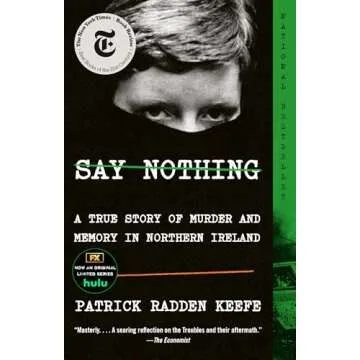
For those interested in a deeper exploration of this historical event, consider reading "The Troubles: Ireland's Ordeal 1966-1996 and the Search for Peace" and "Belfast Diary: War as a Way of Life". These works provide comprehensive insights into the political and social dynamics that fueled the riots.



 Continue with Google