


Overview of the 1983 Nuclear Test
On January 18, 1983, the United States conducted a significant nuclear test at the Nevada Test Site, which was an essential component of the nation's nuclear weapons program. This test was part of a broader strategy during the tense years of the Cold War, showcasing the U.S. capabilities in nuclear technology while also sending a message regarding national security. The 1983 test was a part of a series of underground tests that demonstrated the U.S. commitment to maintaining a strong nuclear deterrent amidst global tensions.
Details of the Nevada Test Site
Located about 65 miles northwest of Las Vegas, the Nevada Test Site (now known as the Nevada National Security Site) has been the primary location for nuclear testing in the United States since 1951. The site supported more than 900 nuclear detonations, leading to advancements in nuclear science and engineering. The tests conducted here also provided key information on the reliability and effectiveness of American nuclear arsenals.
Context of the 1983 Test
The nuclear test in 1983 occurred during a period of heightened nuclear tensions between the U.S. and the Soviet Union. With various international crises unfolding, the test reaffirmed U.S. nuclear capabilities. It came at a time when nuclear arms control discussions were ongoing, but the geopolitical climate remained fraught with distrust and competition.
The Significance of the Nuclear Test
The significance of the 1983 nuclear test went beyond just military posturing; it was a clear indicator of technological advancement. The ability to conduct such tests underground minimized the environmental impact and perceived risks associated with atmospheric nuclear tests, which had been banned in 1963 by the Partial Test Ban Treaty.
Consequences of Continued Testing
Continued nuclear testing, such as the one in 1983, perpetuated international debates regarding nuclear proliferation and disarmament. The test led to concerns about nuclear safety, environmental issues, and the potential for escalating nuclear arms races between the superpowers.
Public and Political Reaction
The political reaction to tests was often mixed, with some supporting the need for a strong national defense, while others criticized the continued investment in nuclear weapons and the potential implications for global peace. This tension reflects the broader debate over nuclear strategy that continues to this day.
Fun Fact
Nevada Test Site's Impact on Science
The Nevada Test Site not only played a crucial role in military strategy but also contributed to various scientific fields. Research derived from the tests helped advance geology, nuclear physics, and emergency response planning, demonstrating how military initiatives can lead to broader scientific knowledge.
Additional Resources
Recommended Reading on Nuclear Testing History
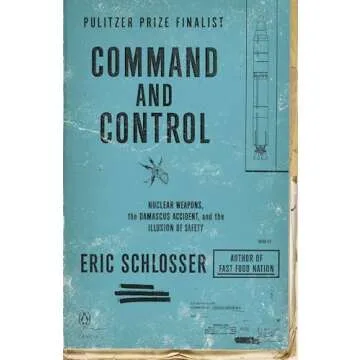
For those interested in exploring more about the history of nuclear testing, consider reading "Command and Control: Nuclear Weapons, the Damascus Accident, and the Illusion of Safety" by Eric Schlosser, or "American Prometheus: The Triumph and Tragedy of J. Robert Oppenheimer" by Kai Bird and Martin J. Sherwin. These books provide deeper insight into the complexities of nuclear weapons development and the ethical implications surrounding it.









 Continue with Google