


The 1984 Nuclear Test: A Major Event in U.S. History
On September 3, 1984, the United States conducted a significant nuclear test at the Nevada Test Site, an area that had become synonymous with American nuclear experimentation. This test, known as Meridian, was part of a series of tests that aimed to enhance the effectiveness of the U.S. nuclear arsenal during a time of heightened tensions in the Cold War era.
Understanding the Meridian Nuclear Test
The Meridian test was designed to assess advanced weapons systems and tactics, showcasing advancements in nuclear technology and ensuring the U.S. could maintain its strategic advantage over adversaries. Set in a remote area of Nevada, the test was conducted underground to limit the environmental impact and radioactive fallout.
The Context of the 1984 Test
This test unfolded during a critical period in the Cold War when both the United States and the Soviet Union were investing heavily in their military capabilities. The U.S. sought to demonstrate its commitment to nuclear deterrence, sending a strong message to any adversaries about its readiness to uphold national security through technological power.
The Political Climate of 1984
The global political landscape in 1984 was dominated by the ideological struggle between the West and the East. The U.S. government, led by President Ronald Reagan, believed in a robust military response to any threats posed by the Soviet Union.
Impact on U.S. – USSR Relations
The 1984 nuclear test occurred against a backdrop of ongoing negotiations between the two superpowers. While the Reagan administration sought to modernize its nuclear arsenal, it also engaged in talks about arms control, emphasizing the complex balance between diplomacy and military preparedness.
The Legacy of the 1984 Nuclear Test
The Meridian test ultimately played a role in shaping future arms control dialogues and nuclear non-proliferation discussions. It highlighted the critical nature of nuclear tests in maintaining national defense strategies while also raising awareness of the implications of nuclear warfare.
Fun Fact
The Fallout of Nuclear Testing
Interestingly, the Nevada Test Site was the venue for over 900 nuclear detonations from 1951 to 1992, making it one of the most significant sites for nuclear testing in history. The legacy of these tests has left a lasting impact on discussions about nuclear safety and environmental health.
Additional Resources
Recommended Reading on U.S. Nuclear Testing
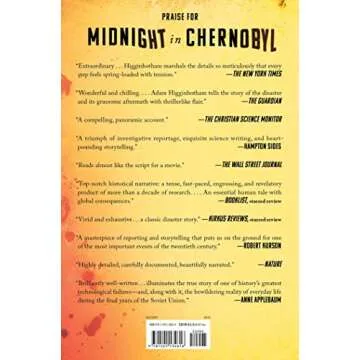
For those interested in further exploration of this topic, consider reading "The Making of the Atomic Bomb" by Richard Rhodes or "Nuclear Weapons and the Future of Warfare" by Stephen I. Schwartz. These texts delve deeper into the history and implications of nuclear weapons development.







 Continue with Google