


Understanding the 2012 Double Dip Recession in the UK
The 2012 double dip recession marked a crucial period in the history of the UK economy characterized by economic struggles and a significant decline in growth. Following a brief period of recovery, the UK economy faced another economic downturn, which started in 2011 and continued into 2012. The UK's GDP fell by 0.7% in the second quarter, which signalized the downturn was tightening its grip on the economy. This recession was particularly notable due to its adverse effects on public confidence, consumer spending, and overall economic stability.
The Impact of GDP Decline
The 0.7% decline in GDP came as a shock to economists and policymakers alike. This contraction indicated that despite previous efforts to stimulate growth, the UK was still struggling to regain its footing after the global financial crisis of 2007-2008. The significance of GDP reduction would echo in various sectors: employment rates began to stagnate, and household spending was notably affected as people feared for their financial security.
Key Contributing Factors to the Recession
Several factors contributed to the double dip recession. Austerity measures implemented by the government aimed at cutting national debt had adverse effects on public sector spending. Furthermore, weak consumer confidence deterred investment, while factors such as rising commodity prices added pressure on businesses and families alike. Together, these elements created a challenging environment for growth.
Reactions to Economic Decline
The UK's double dip recession prompted widespread debate among economists, policy makers, and the public. The government faced pressure to rethink their austerity measures while many citizens expressed their frustrations through protests. The continuing decline raised critical discussions about the effectiveness of economic policies being implemented at the time.
Political and Economic Responses
In light of the worsening economic conditions, political leaders were urged to adopt a new approach that would favor growth over austerity. Discussions emerged regarding the potential need for stimulus packages or alternative economic initiatives aimed at revitalizing the economy and boosting consumer confidence.
Long-term Effects on the Economy
Even after the official end of the double dip recession, the effects were long-lasting. The period led to a prolonged awareness of the fragility of the UK economy and reinforced a focus on the importance of sustainable economic policies. Notably, it also had profound implications on public trust in government economic management.
Fun Fact
The Unexpected Silver Lining
Interestingly, despite the economic challenges, the 2012 double dip recession also led to substantial discussions about entrepreneurship, as many individuals sought new ways to create jobs and innovate amidst economic hardship.
Additional Resources
Recommended Reading on Economic Recessions
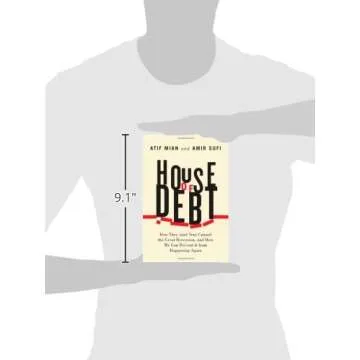
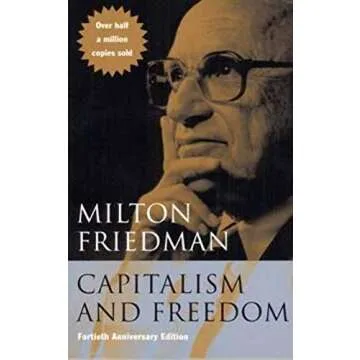
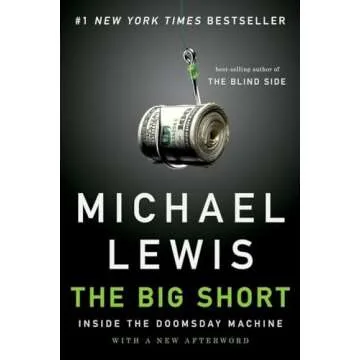
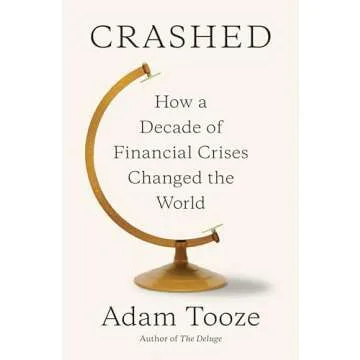
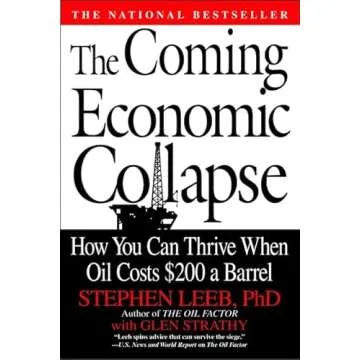
If you're interested in delving deeper into economic cycles, consider exploring The Great Recession: A Complete Analysis by Alan Blinder and Recessions: Causes and Consequences by Robert Lucas. These texts provide extensive insights into the nature of economic downturns and their far-reaching effects.







 Continue with Google