


The Historic Moment: Abolishing Slavery in New York
The year 1827 marked a significant turning point in the fight against slavery in the United States, particularly in New York. The state became one of the first in the north to officially abolish slavery, setting a precedent that would inspire further movements towards equality and freedom. Prior to this, slavery had been an integral part of New York's economy and social fabric, with many African Americans enduring a life of servitude.
A Closer Look at the Abolition Act
On July 4, 1827, the Abolition Act went into effect, emancipating over 10,000 enslaved individuals in New York. The movement towards abolition was heavily influenced by a growing abolitionist sentiment that swept across the northern states. Activists recognized the inhumane conditions faced by slaves and worked tirelessly to persuade lawmakers to enact change. The act did not instantly grant freedom to all enslaved persons; instead, it provided a timeline for gradual emancipation that extended until 1848, when slavery was finally eradicated altogether in the state.
Impact on the Community
The abolition of slavery had profound implications for New York society. Newly freed men and women sought not just to reclaim their freedom but also to access education and economic opportunities. They began to form vibrant communities, engaging in activism and establishing institutions aimed at bettering their lives and advocating for civil rights. This growing community of freed African Americans played a crucial role in the broader abolitionist movement, providing a voice for change and justice.
The Legacy of Emancipation in New York
The abolition of slavery in New York left an indelible mark on the state and the nation. The move fueled the growing abolitionist spirit across the country and laid the groundwork for future civil rights advancements. Notably, New York became a safe haven for countless runaway slaves who sought freedom on their journey to the Underground Railroad.
New York's Influence Beyond Its Borders
New York's decisive move to abolish slavery influenced many neighboring states to reconsider their own policies. The activists and former slaves from New York became vital in spreading the message of freedom and equality to other parts of the nation. Their tireless efforts and advocacy paved the way for the eventual abolition of slavery across the United States with the passage of the Thirteenth Amendment in 1865.
Challenges Faced Post-Abolition
Despite the newfound freedom, African Americans in New York continued to face harsh realities like discrimination, poverty, and segregation. The struggles for equality did not end with legal emancipation, and the African American community had to continue fighting for their rights and recognition in society.
Fun Fact
Notable Figures in the Abolition Movement
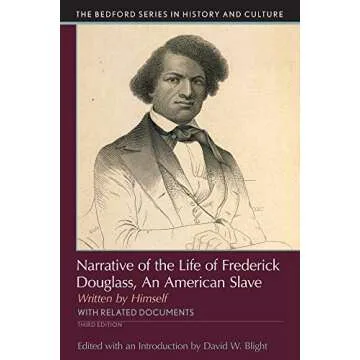
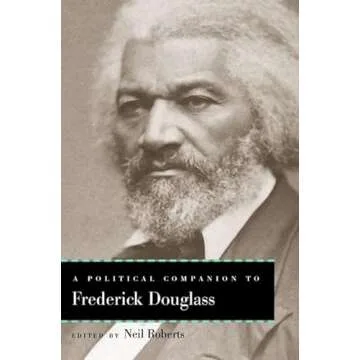
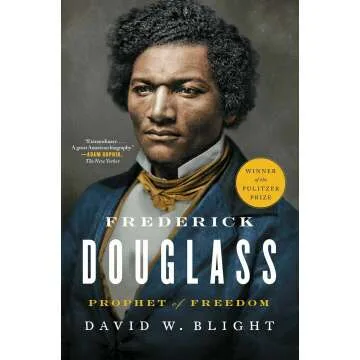
Among the numerous figures who played pivotal roles during this era was Frederick Douglass, a former slave who became a prominent activist and speaker. His eloquence and passion greatly influenced the abolition movement and inspired many towards the cause of freedom.
Additional Resources
Recommended Reading on the Abolition of Slavery in New York
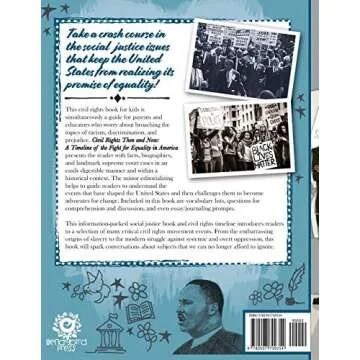
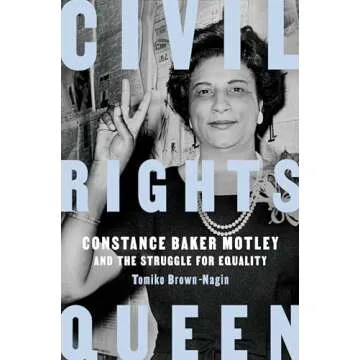
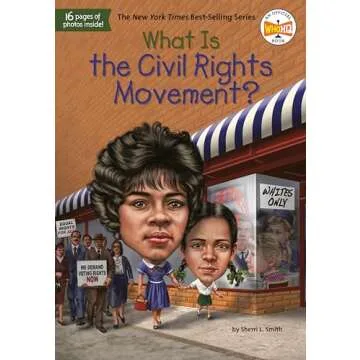
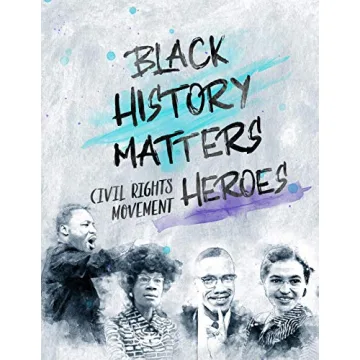
For readers interested in exploring more about this important historical event, consider the following books: “Slavery in New York” by Ira Berlin, and “The Abolition of Slavery: The History of the Movement” by David Turley. These texts provide deeper insights into the struggles and triumphs of those who fought for freedom during this critical period in American history.




 Continue with Google