


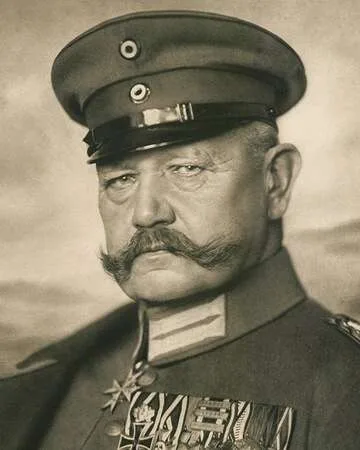
General Paul von Hindenburg: The Commander of the Eastern Front
In 1914, amidst the turmoil of World War I, Germany took decisive steps to safeguard its interests on the Eastern Front under the strategic leadership of General Paul von Hindenburg. Appointed as the commander, Hindenburg would soon become one of the most celebrated military figures of the war, noted for his innovative tactics and charismatic leadership. His command was pivotal in the initial victories against the Russian army, marking a significant turning point in the early stages of the conflict.
Hindenburg's military career began long before his notable appointment in 1914. Serving in various capacities since the mid-19th century, he had developed both a reputation and a wealth of experience that would prove invaluable during the war. His prominent role at the Battle of Tannenberg, where he achieved a stunning victory against superior numbers, solidified his reputation as a military genius.
The Battle of Tannenberg: A Triumph for Hindenburg
The Battle of Tannenberg, fought in August 1914, was a remarkable showcase of Hindenburg’s military acumen. Leading his forces with remarkable agility, he outmaneuvered the Russian troops, ultimately encirclement and destruction of the Russian Second Army. This victory not only boosted German morale but also enhanced Hindenburg's status, catapulting him into the spotlight as a national hero.
Adaptation to Eastern Warfare
Hindenburg's strategy was characterized by his ability to adapt to the unique challenges posed by the Eastern Front. Unlike the static trench warfare that defined the Western Front, Hindenburg embraced mobile warfare tactics that emphasized speed and mobility. His foresight in logistics and troop movements allowed the German forces to exploit weaknesses in the Russian command structure effectively.
Legacy of General Paul von Hindenburg
The legacy of General Paul von Hindenburg extends far beyond his military victories; he became a symbol of German pride during a time of great adversity. His later political involvement, notably in the Weimar Republic, and eventual presidency continued to shape Germany's trajectory in the interwar years.
Hindenburg’s Political Influence
Transitioning from military to political leadership, Hindenburg played a critical role in the Weimar Republic. After the war, he faced the monumental task of restoring national pride and stability in a war-torn Germany, showcasing a different set of skills as he navigated the complexities of post-war politics.
Controversial Figure in History
Despite his impactful roles, Hindenburg's legacy remains controversial. His decisions during the transition to the Nazi regime and his eventual appointment of Adolf Hitler as Chancellor illustrate the complexities of his character and leadership. Historians argue about the implications of his actions, reflecting on how they shaped Germany's future.
Fun Fact
Hindenburg's Connection with Aviation
Interestingly, the Hindenburg airship was named after General Hindenburg, honoring his military achievements. Unfortunately, the infamous disaster of the Hindenburg in 1937 overshadowed his military legacy, but it remains a notable part of history.
Additional Resources
Recommended Reading on General Paul von Hindenburg
For those interested in diving deeper into the life of General Hindenburg, consider reading "Hindenburg: The Man and the Legend" by Richard M. Watt for a comprehensive overview of his impact on military and political history. Additionally, "The Hindenburg: An Illustrated History" by Michael A. M. Whelan offers insight into the airship and its connection to his legacy.







 Continue with Google