


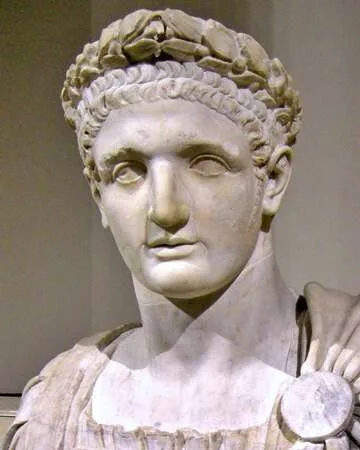
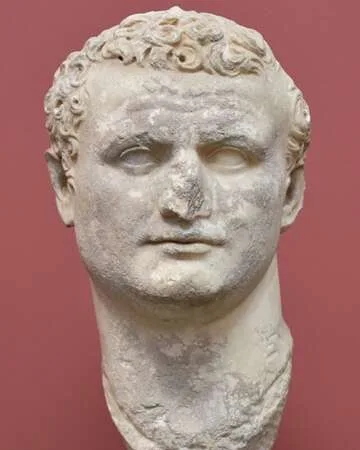
Domitian: The New Emperor of Rome
In AD 81, the Roman Empire witnessed a significant transition as Domitian ascended to the throne following the death of his brother Titus. This event marked the beginning of Domitian's reign, a period characterized by both ambitious construction projects and growing tensions within the Senate. As a member of the Flavian dynasty, Domitian aimed to establish his legacy and solidify his family's power amidst a backdrop of Rome's complex political landscape.
The Background of Domitian
Domitian, born in AD 51, was the younger son of the Flavian emperor Vespasian. His upbringing within an influential family deeply ingrained a sense of ambition and the desire for authority. As the brother of Titus, who had achieved military glory and popularity, Domitian's potential as a ruler was always seen in the shadow of his brother's accomplishments. This often led to an intense rivalry within the imperial family.
The Death of Titus
Upon the death of Titus in AD 81, Domitian was thrust into the role of emperor. His brother's death, attributed to a fever, created an opportunity for Domitian to rise to power. However, this transition was not without its challenges, as Domitian had to navigate the complexities of public perception and establish his authority in the eyes of the Roman populace and the Senate.
Domitian's Reign: A Mixed Legacy
Domitian's reign lasted until AD 96 and was marked by a range of accomplishments as well as controversies. His approach to governance was often described as autocratic, leading to tensions with the Senate. He sought to glorify the empire through extensive building projects, including the completion of the Colosseum and the construction of the Domus Augustana.
Autocracy and Senate Relations
Domitian's style of leadership was characterized by a strong central authority, which often put him at odds with the Senate. He demanded loyalty and reverence, enforcing a cult of personality that revered him as something akin to a god. This led to many senators resenting his rule, and he faced numerous plots against his life as a result.
Public Works and Economic Policy
Despite the political unrest, Domitian was a prolific builder. His vision for Rome included advancing its architecture and infrastructure. Additionally, he implemented economic reforms that aimed to stabilize the currency and alleviate the burden of taxation on the people. These policies, coupled with his building projects, earned him both admiration and hostility.
Fun Fact
The Lavish Festivals of Domitian
Domitian was known for hosting extravagant games and festivals, including dramatic performances and gladiatorial contests, which were designed to win the favor of the public and distract them from political strife.
Additional Resources
Recommended Reading on Domitian
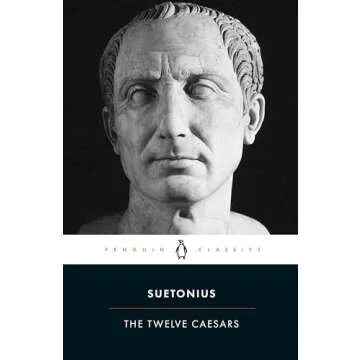
For those interested in learning more about Domitian and his reign, consider reading “The Twelve Caesars” by Suetonius, which provides a vivid biographical account of the Roman leaders, including Domitian. Another notable book is “Domitian: The Making of a Roman Emperor” by Brian W. Jones, which delves into the complexities of his rule.







 Continue with Google